Traditional luxury cars have fallen from their pedestal: the Chinese market is no longer an ATM for BBA.
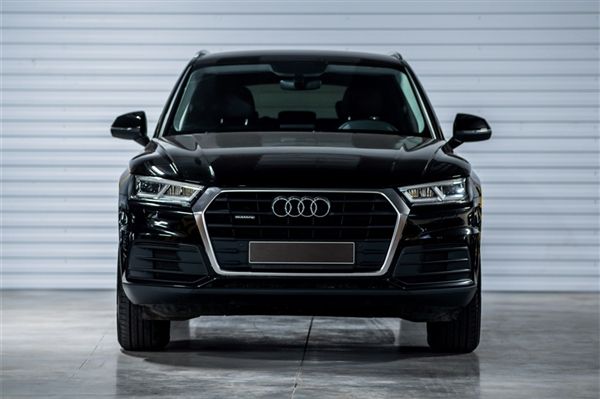
In the Chinese auto market, BBA (Mercedes-Benz, BMW, Audi) once held an undisputed dominant position for a long time. However, under the impact of the new energy wave, the halo of these traditional luxury brands is gradually dimming, a trend clearly reflected in their latest revenue figures.
Data shows that Mercedes-Benz posted first-half revenue of €63.66 billion this year, down 4.1% year-on-year; BMW's first-half revenue was €62.27 billion, down 8% year-on-year; Audi's first-half revenue was €29.18 billion, down 10.4% year-on-year.
Looking at the trend, BBA's profit decline is not a one-off shock but the result of a sustained downward trajectory over multiple consecutive quarters. Some netizens bluntly remarked that the Chinese market is no longer an ATM for BBA to easily withdraw cash.
Industry insiders point out that BBA's revenue decline is no accident—the direction of consumer demand has undergone a fundamental shift. BBA's brand halo and mechanical superiority from the fuel-vehicle era are difficult to sustain in the age of intelligent electric vehicles.
Consumers' criteria for luxury have been updated, with intelligent driving, smart cockpits, and fast charging becoming the three new core indicators. BBA's hesitation in transitioning to new energy caused them to miss the optimal window of opportunity.
One consumer who originally planned to buy a BMW ultimately chose a domestic new energy model. He said that at the same price point, domestic cars offer higher specifications, more practical intelligent driving, and more spacious interiors. Domestic brands are gradually building clear differentiated competitiveness through intelligent features, driving experience, and price advantages.
Some netizens compared that with the same budget of 300,000 yuan, domestic new energy models can offer leather interiors, surround-sound audio, and a full suite of intelligent driving systems. Brands like AITO, Li Auto, and NIO have achieved an overall lead over BBA products at similar prices in terms of configuration and intelligence.
For BBA, this "self-rescue battle" in 2026 will test not only improvements in product strength but also require them to overturn traditional car-making mindsets and restructure their organizational frameworks. Whether BBA can turn the tide in the Chinese market will gradually become clear over the course of that year.
Related Articles
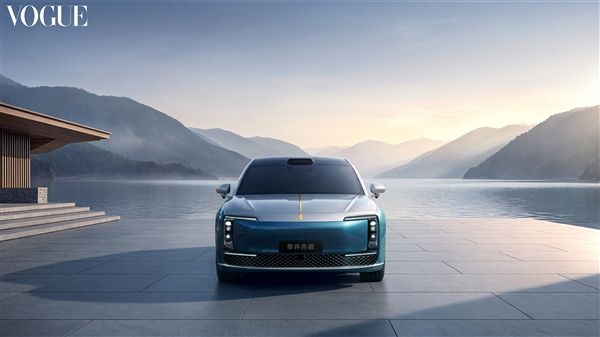
Starting at 1.388 million yuan, Zunjie S800 Grand Design Collection officially delivered
about 3 hours ago
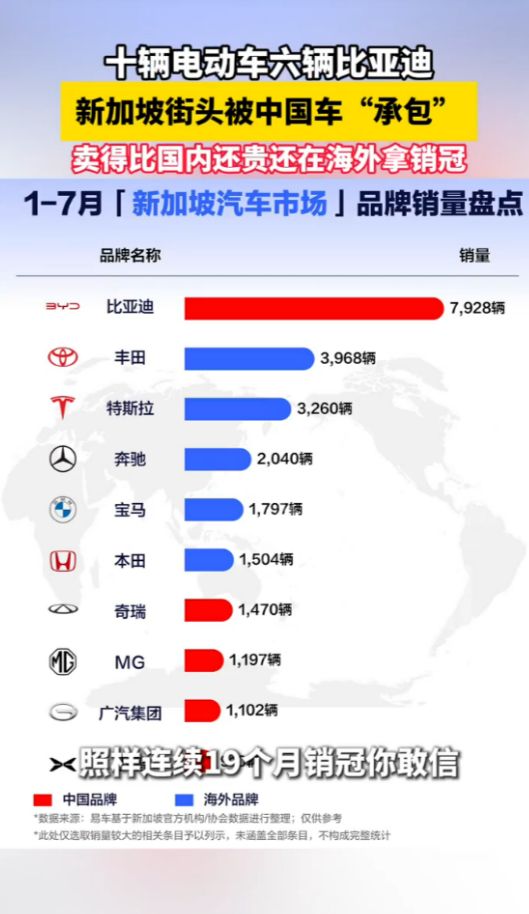
6 out of every 10 electric vehicles are BYD! Chinese cars dominate overseas markets: foreigners queue up to take delivery.
2 days ago
BYD released its 2026 semi-annual financial report: exports surged 67.9% to nearly 790,000 vehicles!
3 days ago