
Low prices are no longer attractive! Fuel vehicles under 50,000 yuan are being forgotten.
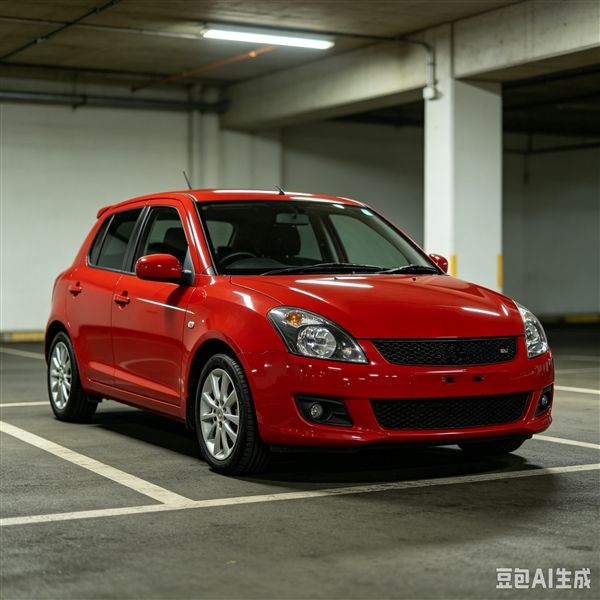
According to media reports, the latest data released by the Passenger Car Association shows that in the first half of 2026, cumulative sales of models priced under 50,000 yuan reached only about 130,000 units, a year-on-year decline of 55%, with market share dropping from 2.8% in 2025 to 1.4%. Among these, fuel-powered models fell 52% year-on-year, indicating that the sub-50,000 yuan fuel vehicle market is rapidly shrinking.
In the past, fuel vehicles under 50,000 yuan were the first car for many families. Thanks to their low price and easy parking, these small fuel cars won favor among numerous owners.
But now, consumer demand has undergone dramatic changes. On one hand, rising oil prices have pushed fuel vehicles under 50,000 yuan out of the market, squeezed by new energy vehicles at the same price point. For example, micro electric vehicles like the Hongguang MINIEV and Panda Mini have captured a large share of urban short-distance commuting demand with their lower usage costs.
On the other hand, consumers' car-buying standards have also risen. In the past, buying a car was about solving the "do we have one or not" problem; now more people are focusing on space, features, safety, and smart cockpits. Clearly, domestic new energy vehicles are better able to meet these owner needs.
Looking at the overall market, the scale of fuel vehicles continues to show a downward trend. Relevant data shows that in July, domestic sales of traditional fuel passenger vehicles were only 429,000 units, down 383,000 units year-on-year, a drop of 47.2%.
At the start of the year, among the top ten best-selling models overall, seven fuel vehicles made the list; in the first half of the year, fuel vehicles held four spots in the top ten; by July, only one fuel vehicle remained. This shows that fuel vehicles' influence in the mainstream consumer market is rapidly fading, and the market collapse trend is intensifying.
In stark contrast to the decline of fuel vehicles, new energy vehicles have achieved a historic breakthrough. In July, new energy vehicles accounted for over 60% of new car sales for the first time, and their cumulative share over the first seven months also exceeded 50% for the first time.
Some car owners have noted that domestic new energy vehicles have lower usage costs, with electricity bills far below fuel costs; power delivery is smooth, acceleration response is quick, road noise is low, and the driving experience is quiet and comfortable; additionally, they consume no fuel and are more environmentally friendly.
Furthermore, they come with rich smart features, with high adoption of smart cockpits and assisted driving, delivering a more convenient tech experience. When buying a car is no longer just about getting "from A to B," consumers naturally gravitate toward new energy models that offer a better experience.
Related Articles
Starting at 1.388 million yuan, Zunjie S800 Grand Design Collection officially delivered
about 3 hours ago
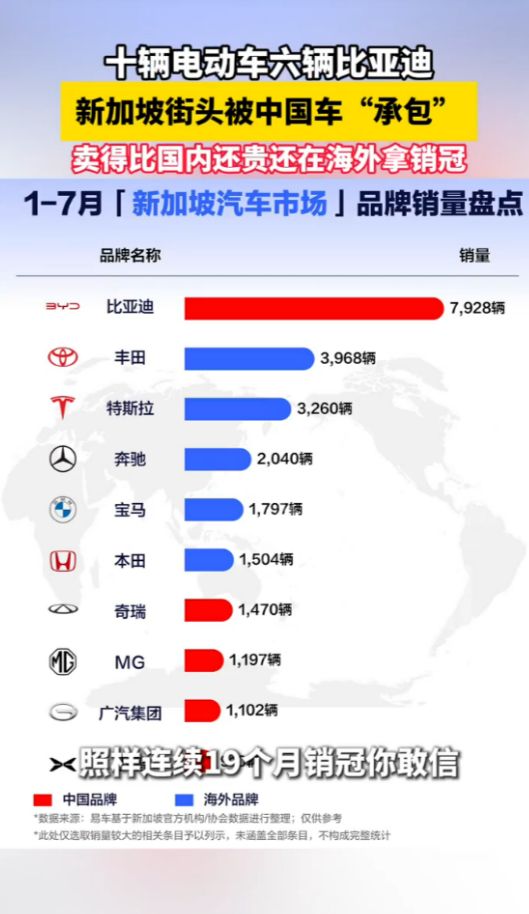
6 out of every 10 electric vehicles are BYD! Chinese cars dominate overseas markets: foreigners queue up to take delivery.
2 days ago
BYD released its 2026 semi-annual financial report: exports surged 67.9% to nearly 790,000 vehicles!
3 days ago