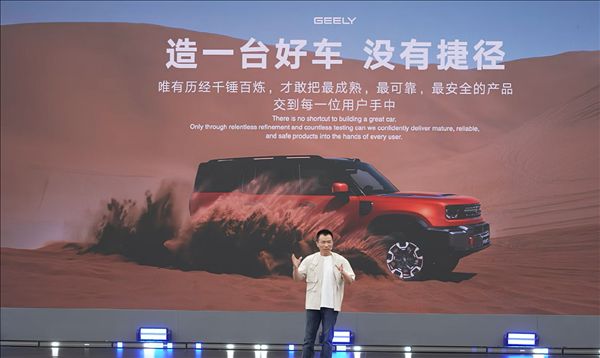
Chinese cars haven't even entered the U.S. yet: Ford and GM are already fighting over policy benefits.
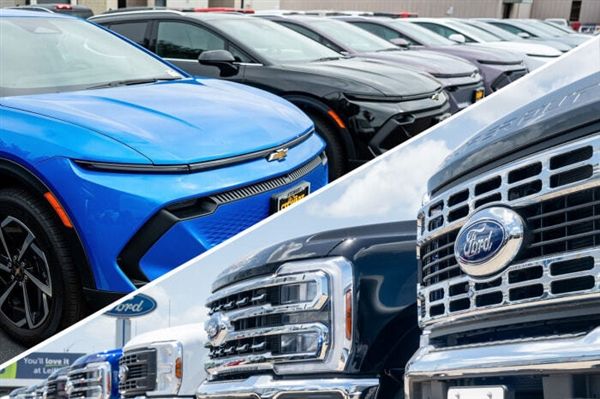
According to reports, against the backdrop of the Trump administration's constantly adjusting tariffs and industrial policies, America's two leading automakers, Ford and General Motors, have fallen into internal rivalry. Both companies are lobbying Washington, each hoping to prove to policymakers that they are the more deserving recipient of domestic industrial support benefits.
Publicly, the two companies maintain a unified stance in jointly addressing various risks posed by trade policies, but behind the scenes, they are undermining each other in areas such as tariff standards and battery supply chain rules. Ford produces over 80% of the vehicles it sells in the U.S. domestically, and is therefore actively urging the government to raise tariffs on imported cars from South Korea.
This move directly targets GM's weakness, as GM sells approximately 400,000 vehicles annually from its Korean plants to the U.S. market. Higher tariffs would directly suppress that segment of business, while Ford could leverage this to amplify its competitive advantage in domestic manufacturing.
In retaliation, GM has set its sights on Ford's electric vehicle battery projects. To address its shortcomings in electrification, Ford has introduced battery-related technology from Chinese companies. GM is now seeking to push the U.S. to tighten supply chain access rules, hoping to restrict Chinese technology from flowing into the domestic auto industry and block Ford's battery projects from receiving federal subsidies.
Both companies loudly proclaim "Made in America," yet their actual demands are completely different. Ford clings to its traditional strengths in pickup trucks and SUVs, with a large number of domestic plants and employees; GM is going all-in on the electric vehicle track, hoping to use policy to rewrite the competitive landscape of the market.
In the past, when it came to trade and industrial issues, Detroit automakers mostly stood together in voicing their positions. Now, with the government frequently intervening in the industry through tariffs and subsidies, the competition among companies for policy resources has become public.
"Made in America" has evolved into a bargaining chip for securing policy advantages, but blindly pursuing localization will disrupt the North American supply chain that has operated for decades and add to companies' production burdens. With a new round of negotiations on the USMCA trade agreement approaching, the rivalry between the two is set to intensify further.
Related Articles
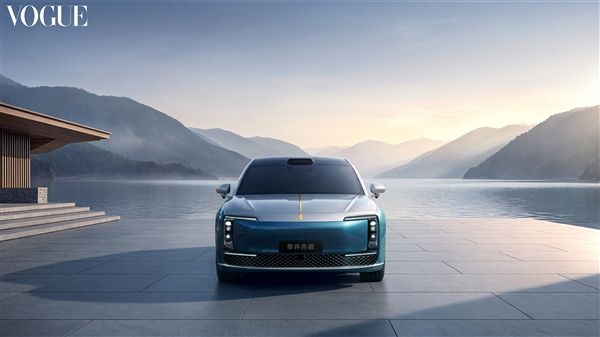
Starting at 1.388 million yuan, Zunjie S800 Grand Design Collection officially delivered
about 3 hours ago
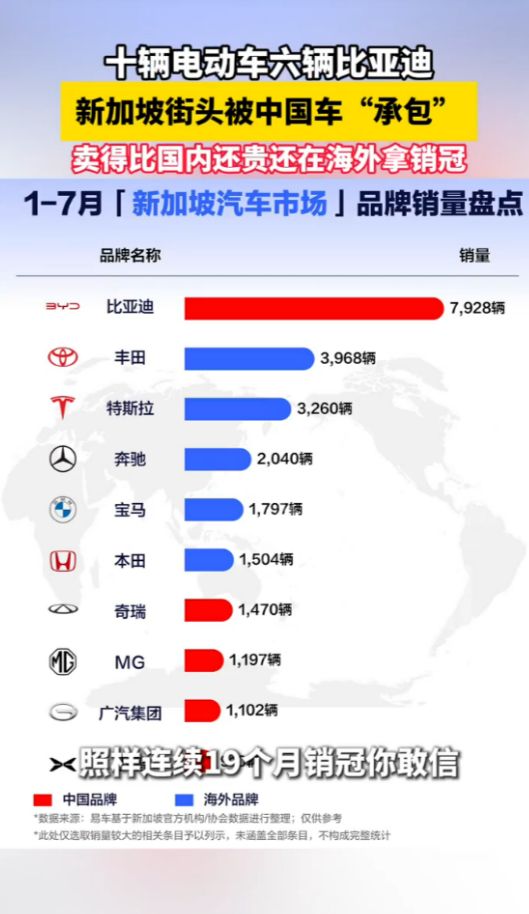
6 out of every 10 electric vehicles are BYD! Chinese cars dominate overseas markets: foreigners queue up to take delivery.
2 days ago
BYD released its 2026 semi-annual financial report: exports surged 67.9% to nearly 790,000 vehicles!
3 days ago