US media laments: From Nike to General Motors, why are American brands losing their appeal in China?
According to reports, CNBC recently published an article stating that multiple American brands that have deeply cultivated the Chinese market for years, such as Nike, Starbucks, and General Motors, have experienced declining market share, shrinking revenue, and stalled growth in recent years.
In the sportswear sector, data shows that since 2021, Nike's China business has shrunk by approximately 30%, with revenue falling to its lowest level in nearly eight years. However, the domestic sports consumer market has continued to expand, with the national fitness craze driving the industry's scale to double over the past decade.
Against the backdrop of steadily growing market demand, local brands such as Anta and Li Ning have rapidly risen by leveraging product designs that align with Chinese aesthetics, efficient and flexible supply chains, and precise localized marketing, gradually capturing market share.
Nike, by contrast, has clung to its globally unified operating model, struggling to adapt to the rapid iteration of the domestic consumer market, with its market competitiveness steadily weakening.
Additionally, Starbucks, which once held a long-term monopoly on the high-end coffee market in China, has seen its advantage disappear. Luckin Coffee has rapidly expanded through digital operations, affordable pricing, and a delivery model, with more than three times the number of stores as Starbucks, precisely capturing the mainstream consumer base.
The automotive industry has undergone the most thorough market transformation. General Motors, which once earned annual profits exceeding $2 billion in China, has now posted losses in the country for two consecutive years. The domestic auto market has fully shifted toward new energy and intelligent vehicles, with new energy vehicle penetration exceeding 60%.
Local automakers such as BYD, Li Auto, and XPeng have closely followed industry trends, holding significant advantages in intelligent cockpits, assisted driving, and product iteration speed. In contrast, traditional American companies like GM have stuck to their original development models, failing to keep pace with the pace of domestic industrial transformation, leaving their products severely disconnected from mainstream market demand.
Related Articles
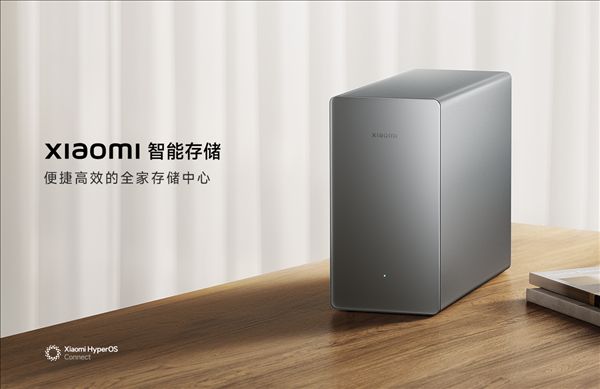
Xiaomi's first NAS! Xiaomi Smart Storage goes on sale starting at 2699 yuan, supporting up to 60TB capacity.
5 days ago
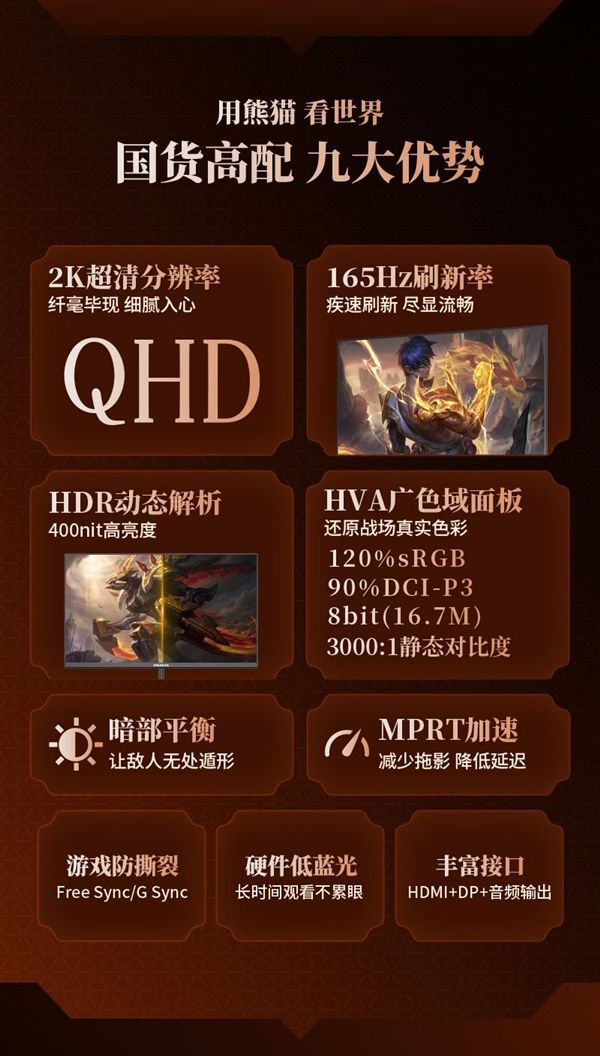
Panda 31.5-inch 2K 165Hz monitor is now available! Priced at 999 yuan.
5 days ago
Ryzen 7 powered! Feiniu four-bay NAS EVO 4 PRO will go on sale on August 26.
6 days ago