Polestar US executive: unclear why Volvo received a US ban exemption; we both belong to Geely Automobile.
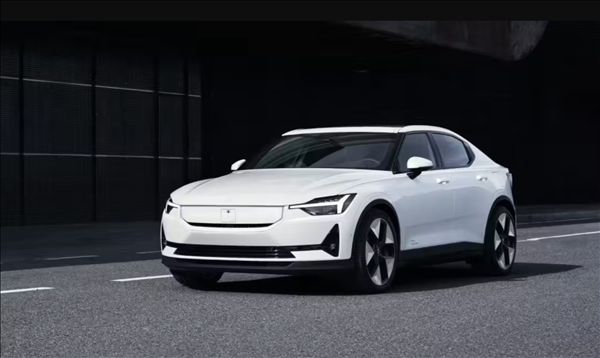
Polestar's U.S. product chief Peter Wexler recently sent a letter to dealers nationwide stating that the company is still seeking an explanation from the U.S. Department of Commerce regarding the reasoning behind the ban, according to reports.
In June, the U.S. Department of Commerce rejected Polestar's exemption request citing connected vehicle technology rules, while Volvo, which is also under the Geely umbrella, had been approved in May without issue.
Polestar was taken aback by the decision. According to the letter, Polestar submitted its application to the Commerce Department's Bureau of Industry and Security in May 2025, then spent a year responding to multiple rounds of detailed inquiries, and proactively proposed measures such as cybersecurity reviews, audits, data storage plan adjustments, and preventing China-affiliated entities from managing vehicle data.
In January, Commerce Department officials told Polestar's outside counsel that sufficient information had been gathered and they were prepared to recommend approval. In April, Deputy Under Secretary for Industry and Security Jeffrey Kessler explicitly stated that if Volvo received approval, it would be reasonable to expect Polestar to obtain an exemption as well. However, after Volvo passed review in May, Polestar's application was rejected the following month.
What further confuses Polestar is the high degree of technical commonality between the two models. The Polestar 3 and Volvo EX90 share the same software architecture and most hardware, and are even built on the same production line in South Carolina, yet U.S. officials reached completely different rulings on the two.
Wexler noted in the letter that the differential treatment of the two companies and two models "contradicts the law." Polestar also stated that it had been willing to discuss matters such as data storage locations, access permissions, audit report requirements, and independent cybersecurity assessments, but all efforts failed to change the final outcome.
The ban stems from the connected vehicle rules introduced during the Biden administration, designed to prevent foreign adversaries such as China and Russia from obtaining sensitive information or remotely controlling vehicle systems through connected cars.
This means that even though the Polestar 3 is manufactured on U.S. soil, its Chinese ownership background and technology ties still subject it to scrutiny. Volvo, with the same Geely background, received permission to continue selling in the U.S., yet the Commerce Department has not publicly explained the difference between the two.
In response, Polestar has decided not to appeal. After the 2026 model year, Polestar will stop selling new vehicles in the U.S., though dealers may continue selling existing inventory. Polestar has committed to continuing warranty, repair, parts, and software update support for existing owners, with future investment focus shifting to other markets such as Europe.
Related Articles

Huawei phone users have finally got what they've been waiting for! The HarmonyOS trial beta version of NetEase Cloud Music is now available.
about 3 hours ago

The price after discounts is 6544 yuan! Lenovo ThinkPad E14 2026 laptop is now available: Core 5 320 + 512GB
about 4 hours ago