
BYD's electric K-Car launched in Japan, spokesperson wearing red clothes in ad accused of being unpatriotic
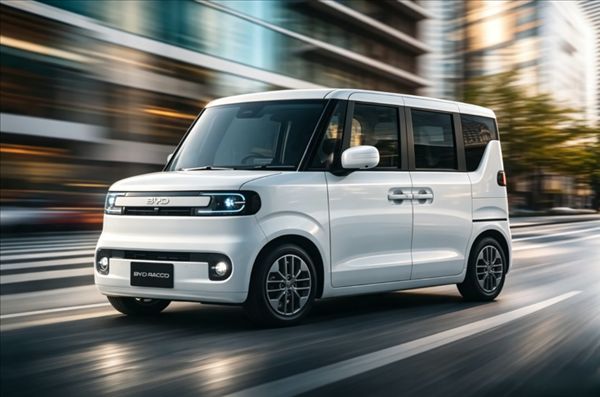
BYD's pure electric K-Car model, the Otter RACCO, specially built for the Japanese market, officially launched.
This is BYD's first model tailored to Japan's light vehicle regulations, with a starting price of 2.145 million yen (approximately 88,700 RMB), and a lower threshold after subsidies.
The car's dimensions strictly adhere to Japan's K-Car standards, equipped with dual electric sliding doors, and offers two range versions of 210km and 320km, with range parameters fully surpassing domestic competitors like Nissan Sakura.
To better fit the local market and reduce Japanese consumers' sense of distance from Chinese brands, BYD invited highly popular Japanese actress Alice Hirose to be the exclusive spokesperson for this car, and this is also Alice Hirose's first time filming a car advertisement since her career began.
The advertisement uses bright yellow as the background color, with Alice Hirose appearing in a bright red suit, accompanied by an otter plush toy and home commuting scenes, simply showcasing the vehicle's space and practicality throughout, deliberately downplaying the brand's national attributes.
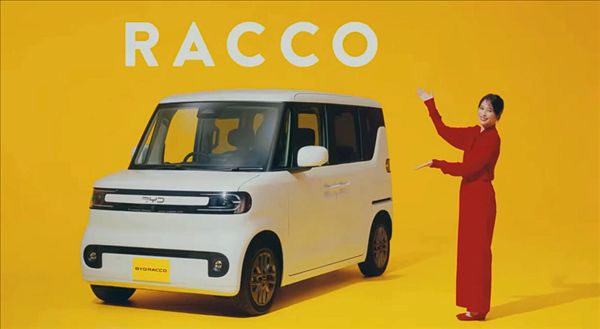
Unexpectedly, after the promotional video was released, it quickly trended on Japanese social platforms X and 5ch, with a large number of conservative Japanese netizens launching massive accusations and cyberbullying against Alice Hirose. The core controversy is divided into two points:
Core contradiction at the industry level:
K-Cars are the bedrock of the Japanese automobile industry, with domestic automakers like Suzuki, Honda, and Nissan monopolizing this market for decades, serving as an important pillar for local manufacturing and employment.
Extreme netizens believe that Alice Hirose, with her public influence beloved by all, is endorsing a Chinese pure electric small car, which is equivalent to using her popularity to boost a foreign brand squeezing the survival space of domestic automakers, harming Japan's domestic industry. They directly label her with “unpatriotic”, “money-grubbing and fawning on foreigners”, and “betraying the domestic manufacturing industry.”
Forced interpretation of the red clothing:
Some extreme netizens deliberately magnify the details of the red suit in the advertisement, forcibly linking the color red with Chinese symbols, claiming she deliberately chose that color scheme for the ad, showing a stance bias, elevating ordinary commercial styling to a critique of stance, further intensifying negative public opinion.
After the incident escalated, a large number of negative comments flooded Alice Hirose's social media accounts. Many netizens posted offensive remarks, saying that buying BYD makes one a traitor, and even maliciously fabricated rumors about vehicle quality, shifting all the anxiety over the lack of competitiveness of the domestic new energy industry onto the artist.

Related Articles
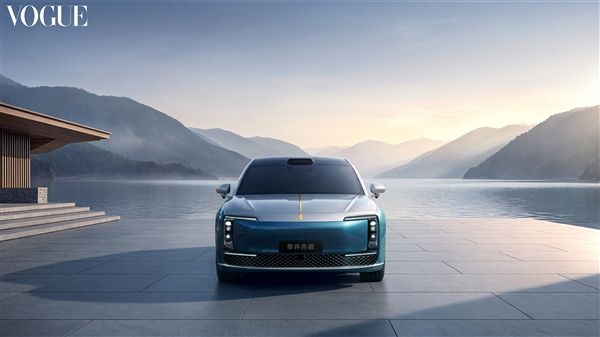
Starting at 1.388 million yuan, Zunjie S800 Grand Design Collection officially delivered
about 3 hours ago
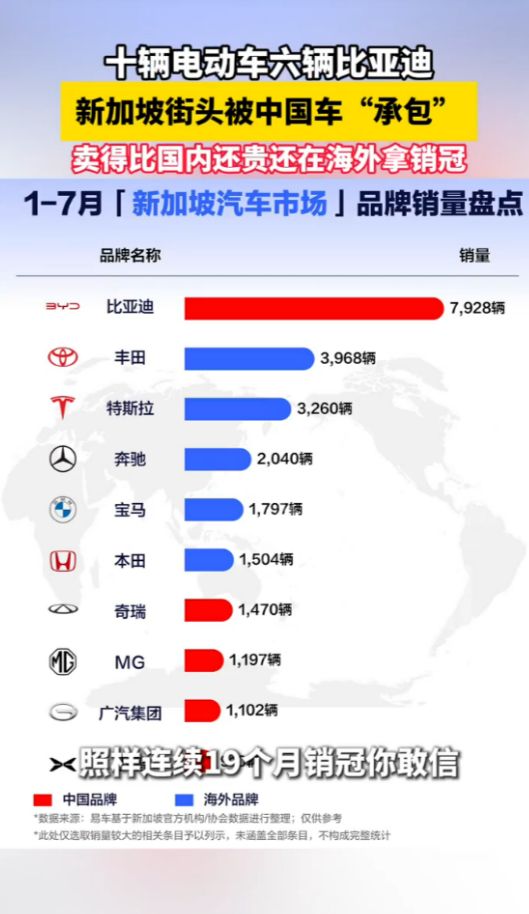
6 out of every 10 electric vehicles are BYD! Chinese cars dominate overseas markets: foreigners queue up to take delivery.
2 days ago

BYD released its 2026 semi-annual financial report: exports surged 67.9% to nearly 790,000 vehicles!
3 days ago