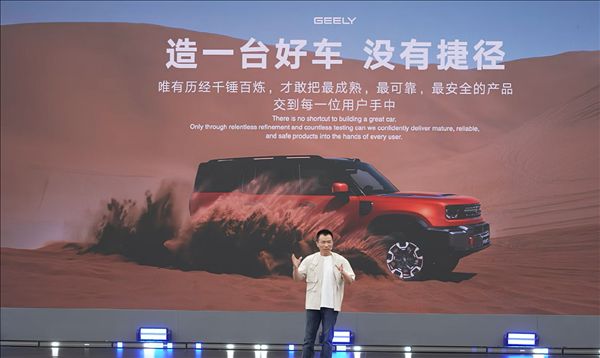
Another year and the market will be gone! Volkswagen CEO urges EU: Impose tariffs on Chinese plug-in hybrid vehicles as soon as possible.
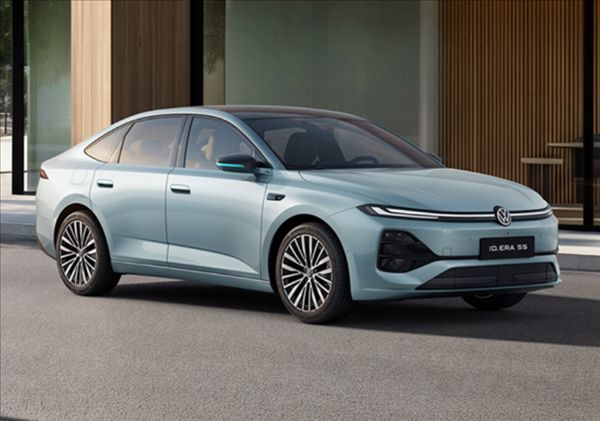
Volkswagen Group CEO Oliver Blume has publicly called on the EU to quickly introduce new regulations to extend additional tariffs on China-made plug-in hybrid vehicles.
In 2024, the EU only imposed anti-subsidy tariffs on imported Chinese pure electric vehicles, with plug-in hybrid models not included in the tariff list. This policy difference has become a breakthrough for Chinese car companies to expand into the European market.
Facing tariff barriers for pure electric exports, domestic car companies have quickly adjusted their export product structures and increased the output of plug-in hybrid models. Data from the first half of 2026 shows that sales of Chinese-brand plug-in hybrid cars in Europe surged 112% year-on-year, with a market share of 28%.
Among the top five best-selling plug-in hybrid models in the European market, three are domestic models. In contrast, European local car companies only saw a small 4% increase in plug-in hybrid sales, with market space continuously squeezed.
Blume believes that the differentiated tariff rules for the two types of new energy vehicles cause an imbalance in market competition. He stated that European car companies have invested huge sums to complete strict emission upgrades, while Chinese car companies rely on domestic industrial support to form cost advantages. Existing rules cannot achieve fair competition, and he advocates for unified regulatory standards for all electrified vehicles.
He also warned that if the EU delays action, consumers will form fixed brand preferences within just one year, and the market share lost by local car companies will be difficult to recover.
Currently, the European Commission has begun preparing an anti-subsidy investigation into Chinese plug-in hybrid cars, but the full process of filing and implementation will still take several months. In addition to Volkswagen, executives at Stellantis have the same demands, and several German parts companies have expressed support for expanding the tariffs.
However, there are also dissenting voices within the industry, concerned that this move could provoke Chinese countermeasures, and European high-end fuel vehicle exports would face tariff impacts. Blume did not completely reject cooperation with Chinese car companies, proposing that production bases could be jointly built in Europe, but cooperation must be based on mutually equitable market rules.
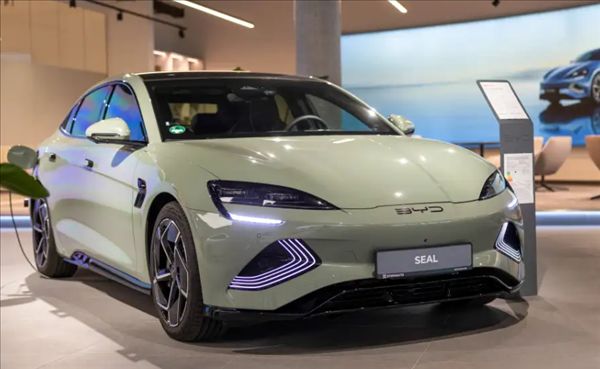
Meanwhile, companies like BYD and Geely are establishing local factories in Hungary and Spain. Once production capacity comes online in two to three years, the impact of import tariffs on completed vehicles will be significantly reduced. Under pressure from external competition, Volkswagen's local factories are pushing forward cost reduction and restructuring, with some plants facing the risk of closure and adjustment.
Related Articles
Starting at 1.388 million yuan, Zunjie S800 Grand Design Collection officially delivered
about 2 hours ago
6 out of every 10 electric vehicles are BYD! Chinese cars dominate overseas markets: foreigners queue up to take delivery.
2 days ago
BYD released its 2026 semi-annual financial report: exports surged 67.9% to nearly 790,000 vehicles!
3 days ago