Fight for another 5 years! AMD Zen7 firmly sticks with AM5, no platform switch: In 2030, Zen 8 will move to AM6.
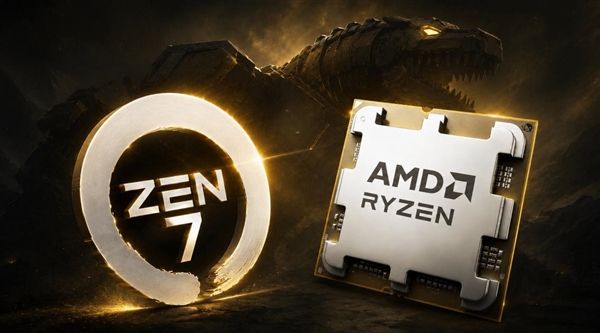
According to a report from Kuai Technology on July 26, AMD's Zen 7 architecture Ryzen processors, expected to debut around 2028, will continue to use the AM5 socket, which will also be the last generation of Ryzen on the AM5 platform. The Zen 8 architecture around 2030 will be the first to transition to the AM6 socket, bringing native support for DDR6 memory and PCIe 6.0.
For gamers holding onto AM5 motherboards, this means the board can last at least another five years.
The AM5 platform was born in 2022 and has already carried three generations of Ryzen: the first Ryzen 7000 "Raphael", Ryzen 8000G "Hawk Point", and the latest Ryzen 9000 "Granite Ridge".
AMD's commitment to supporting this socket has also been repeatedly extended. Initially planned only through 2025+, it was later extended to 2027+, and this year further expanded to 2029+, clearly aiming to make AM5 the next AM4.
According to the roadmap, next year's desktop Ryzen will be Zen 6, followed by Zen 7 around 2028. Since AMD traditionally launches new architectures on servers first and desktops follow about a year later, the desktop version of Zen 7 Ryzen is likely to arrive in 2029, perfectly concluding the AM5 commitment period.
The reason Zen 7 can avoid changing sockets lies in memory. AMD has long established a rule: only when underlying technologies like memory and bus undergo major leaps will the socket be replaced.
Zen 7 still uses a DDR5 memory controller, and the same applies to its server counterpart. Since the memory standard hasn't changed, AM5 can continue to serve.
As for PCIe 6.0, consumer SSDs and graphics cards won't need such high bandwidth in the coming years, so it doesn't constitute a reason to change the socket either.
The conditions for a socket change are truly met with Zen 8: native support for DDR6 memory and PCIe 6.0 arrives simultaneously, making the AM6 socket a natural fit around 2030.
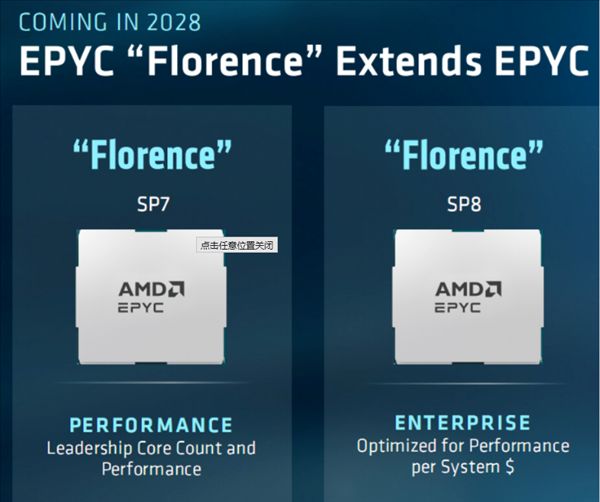
Interestingly, it is said that AMD internally even evaluated the possibility of making AM5 directly support DDR6. If that could be achieved, AM6 might not even be necessary. Although the hope is slim, it at least shows AMD is trying every way to extend the life of this socket.
This approach of using one socket for many years has been done before with AM4, and very successfully. From data, AM4 has been active from 2016 to the present, accommodating processors from five architectures, with official statistics showing over 125 chip models and over 500 compatible motherboard models, and new products still being released even after AM5's debut.
An AMD executive's explanation was straightforward: Changing a socket is not as simple as swapping slots; the motherboard's memory traces, signal integrity, and power delivery system all need to be overhauled, imposing huge costs on manufacturers and consumers. Therefore, AMD only touches the interface when industry standards reach a turning point and new technologies can deliver perceptible experience improvements.
Related Articles

Huawei phone users have finally got what they've been waiting for! The HarmonyOS trial beta version of NetEase Cloud Music is now available.
about 3 hours ago
The price after discounts is 6544 yuan! Lenovo ThinkPad E14 2026 laptop is now available: Core 5 320 + 512GB
about 4 hours ago