Battery price surge squeezes automakers, with gross profit per vehicle only 13,000 yuan! CPCA: Automakers that don't make batteries have no say.
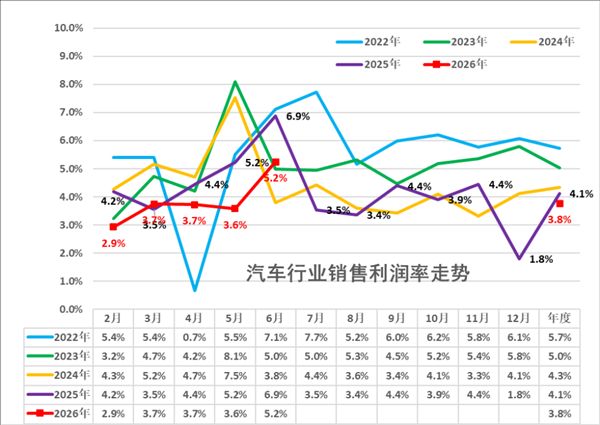
According to data disclosed by the China Passenger Car Association (CPCA), in the first half of 2026, the profit margin of China's automotive industry was 3.8%, with total profits reaching 195.4 billion yuan, a year-on-year decrease of 20%. This remains relatively low compared to the average profit margin of 6.5% for downstream industrial enterprises.
The data shows that in the first half of this year, China produced 15.1 million vehicles, a year-on-year decrease of 4%; industry revenue reached 5.1893 trillion yuan, up 1.8% year-on-year; costs totaled 4.61 trillion yuan, up 2.8% year-on-year.
Industry chain revenue per vehicle was 344,000 yuan, up 5% year-on-year; cost per vehicle was 305,000 yuan, up 6%; tax per vehicle was 25,000 yuan, up 7.1%; and gross profit per vehicle in the industry chain was 13,000 yuan, down 17.7% year-on-year.
Looking at historical trends, the auto sales profit margin was only 4.3% in 2024, further dropping to 4.1% in 2025, and continuing to decline to 3.8% in the first half of this year.
However, in June this year, driven by an exceptionally strong push for high-end models and a surge in export demand, profitability was noticeably boosted. The industry's sales profit margin reached 5.2%, outperforming the 3.7% recorded between March and April.
Cui Dongshu, Secretary-General of the CPCA, stated that recently, with the expansion of vehicle production scale, the Producer Price Index (PPI) has risen, upstream lithium carbonate costs have increased, and domestic battery prices have surged, leading to a continuous decline in automakers' profits.
Although various regions are vigorously promoting the implementation of new policies to stimulate domestic demand, the improvement in the automotive industry's efficiency is clearly lagging behind other consumer goods sectors.
Cui Dongshu pointed out that the automotive industry is currently under severe pressure from upstream sectors. Profits from non-ferrous metals and semiconductors have surged, while end-users remain highly cautious about purchasing vehicles, putting increasing operational pressure on automakers. Since most automakers do not produce batteries, they lack bargaining power in the current new energy vehicle industry chain, and the profit pressure on mainstream automakers will continue to intensify sharply.
Taking battery accounts payable as an example, according to the "Regulations on Ensuring Payment to Small and Medium-sized Enterprises," the payment period for listed lithium battery companies should be 60 days, but some companies previously had payment periods of up to 200 days.
In June this year, the China Automotive Power Battery Industry Innovation Alliance and the Zhongguancun Energy Storage Industry Technology Alliance jointly issued the "Initiative on Standardizing Payment of Accounts Payable to Suppliers by Power and Energy Storage Battery Enterprises," which received support and response from the Ministry of Industry and Information Technology and major battery suppliers.
Cui Dongshu believes that as the national anti-involution efforts continue to advance, more automakers will aim to become major international enterprises in the future. The process of automakers producing their own batteries will inevitably accelerate. In the future, with vehicles as the core, automakers' profitability will gradually improve.
Related Articles
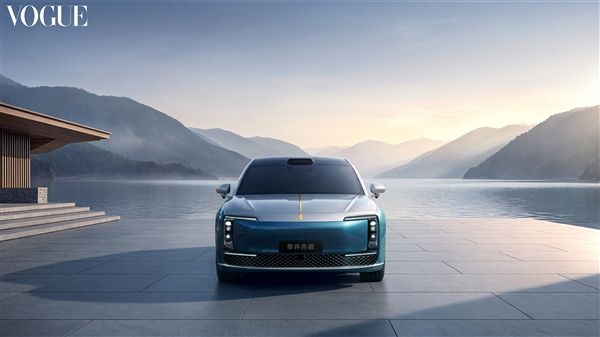
Starting at 1.388 million yuan, Zunjie S800 Grand Design Collection officially delivered
about 3 hours ago
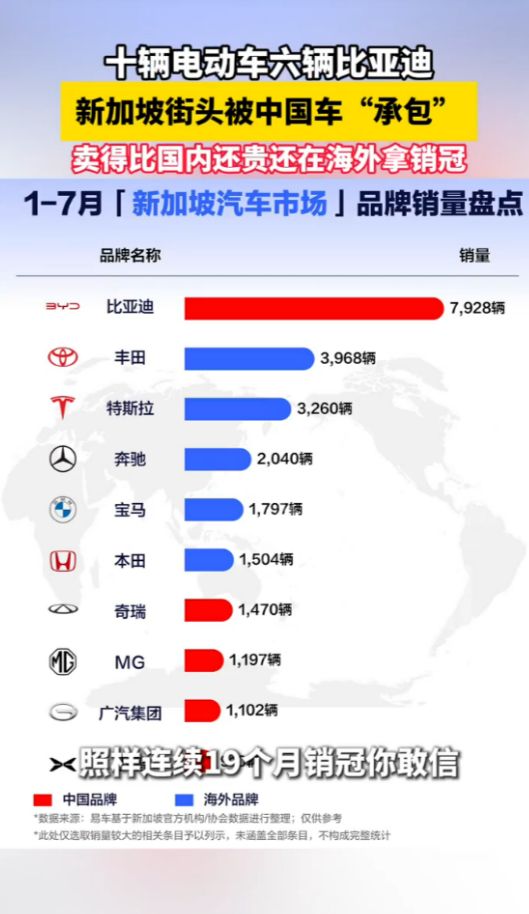
6 out of every 10 electric vehicles are BYD! Chinese cars dominate overseas markets: foreigners queue up to take delivery.
2 days ago
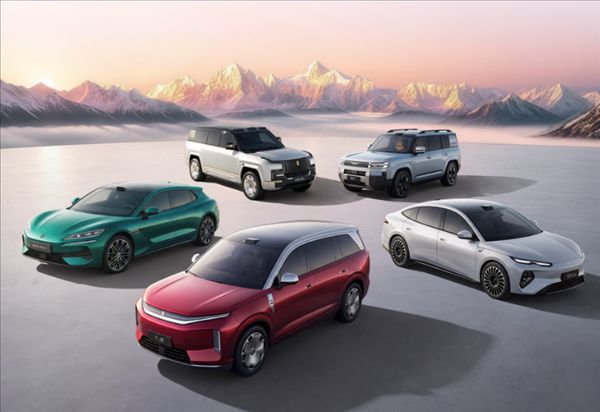
BYD released its 2026 semi-annual financial report: exports surged 67.9% to nearly 790,000 vehicles!
3 days ago