Starting February next year, South Korea will ban the consumption of dog meat, with severe penalties for violators.
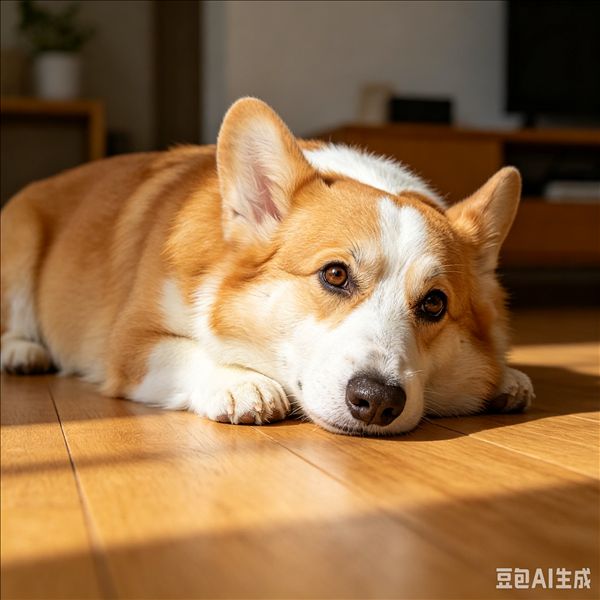
Local officials have officially announced that starting next year, South Korea will completely ban the consumption of dog meat, bringing an end to a centuries-old dietary tradition in the country.
With only a few months remaining until the dog meat ban takes full effect in February 2027, this summer marks the final season in which dog meat can be legally traded and consumed in South Korea. Many longtime dog meat enthusiasts are rushing to get their last fix before the prohibition lands.
According to a long-standing Korean tradition, locals habitually consume a steaming bowl of dog meat soup to nourish their bodies after entering the hottest period of summer, which has historically been the peak season for dog meat restaurants across the country.
As the ban enters its final countdown, long-established dog meat restaurants in Seoul and other major cities are packed with regular customers who have come specifically for one last bowl of soup. Many owners who have run their shops for decades know full well that their lifelong trade is about to come to an end.
With the enforcement of the dog meat ban approaching, the entire upstream and downstream industry chain related to dog meat restaurants in South Korea is gradually winding down.
In recent years, pet ownership rates have risen rapidly, public awareness of animal welfare has grown significantly, and the tide of social opinion has shifted dramatically.
A previous nationwide poll in South Korea showed that over 80 percent of the public explicitly supports the dog meat ban legislation, indicating that traditional dietary customs have long fallen out of step with contemporary public attitudes.
The comprehensive ban now taking effect also places enormous survival and transformation pressure on food industry workers who depend on the dog meat supply chain.
Many restaurants that have long sold dog meat soup have recently begun experimenting with replacing dog meat with black goat meat as their primary ingredient, transitioning to selling black goat soup as a stopgap measure.
However, nearly all operators report that the customer base for black goat soup overlaps very little with their former dog meat soup patrons, and revenue cannot fill the profit gap left by the dog meat boom. Meanwhile, the transition assistance subsidies promised by the South Korean government are extremely limited, nowhere near enough to support a soft landing for the entire industry.
After the grace period for the legislation ends in 2027, individuals who slaughter dogs to produce dog meat will face up to three years in prison or a fine of 30 million won (10,000 won is approximately 52.1 yuan), while those who raise dogs for dog meat production or sell dog meat will face up to two years in prison or a fine of 20 million won.
Related Articles

Huawei phone users have finally got what they've been waiting for! The HarmonyOS trial beta version of NetEase Cloud Music is now available.
about 4 hours ago

The price after discounts is 6544 yuan! Lenovo ThinkPad E14 2026 laptop is now available: Core 5 320 + 512GB
about 5 hours ago