LPDDR6 memory mass production is imminent! Most phone manufacturers can't afford it: the cost is too high
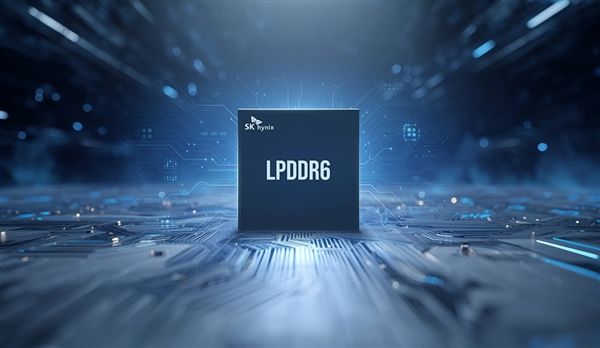
According to media reports, multiple memory chip suppliers, including SK Hynix, plan to mass-produce and commercialize LPDDR6 memory within this year.
Among them, SK Hynix has completed development verification of its LPDDR6 product in March 2026. The product is manufactured using sixth-generation 10nm-class (1c) process technology with a capacity of 16GB, marking that the new generation of mobile memory technology is accelerating into the mass production stage.
According to industry practice, the introduction of LPDDR products typically requires four key stages: individual chip validation, development verification, small-batch pilot validation, and finally formal mass production.
Compared with the previous generation LPDDR5X, the new product achieves significant leaps in both performance and power consumption. Data processing speed is improved by 33%, with single-pin transfer rates reaching 14.4Gbps. In terms of power consumption, LPDDR6's overall power consumption is reduced by more than 20% compared with the previous generation. It can deliver maximum bandwidth performance under high-load scenarios while also helping to effectively extend device battery life in daily use.
Despite LPDDR6 memory making significant progress in speed and energy efficiency, its cost has also risen accordingly. Blogger "Smart Chip Insider" stated that three suppliers will mass-produce LPDDR6 memory this year, but most phone brands will not purchase it on a large scale. Even if they do, it will only be symbolic limited editions without large-scale volume sales.
The core reason lies in excessively high memory prices, which phone manufacturers can no longer bear. Relevant data shows that in Q1 2026, global general-purpose DRAM contract prices surged 90% to 95% quarter-over-quarter. In Q2, DRAM contract prices rose another 58% to 63%, while NAND flash also increased 70% to 75% quarter-over-quarter.
Compared with the same period in 2025, cumulative memory cost increases have approached 300%. In the bill of materials (BOM) of low-end models, memory costs now account for more than 65%, far exceeding normal levels. Under such enormous cost pressure, the vast majority of manufacturers are unable to procure LPDDR6 memory.
Lu Weibing, president of Xiaomi Group, previously predicted that the memory price increase trend would continue at least until the end of 2027, and could even persist into 2028. He stated that the pricing of any smartphone today is directly affected by the substantial rise in memory costs.

Related Articles

Huawei phone users have finally got what they've been waiting for! The HarmonyOS trial beta version of NetEase Cloud Music is now available.
about 4 hours ago
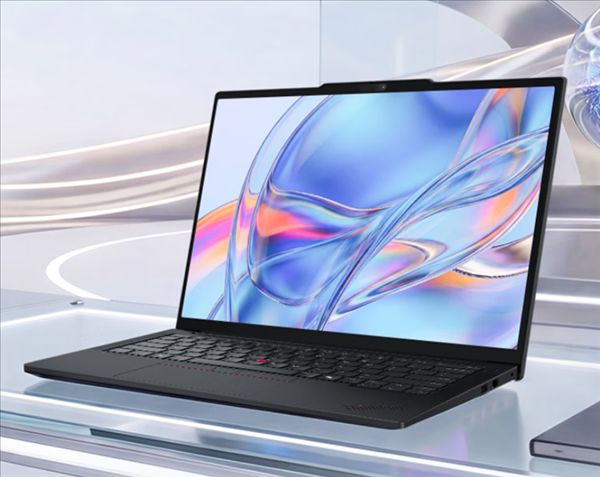
The price after discounts is 6544 yuan! Lenovo ThinkPad E14 2026 laptop is now available: Core 5 320 + 512GB
about 5 hours ago