iPhone prices have increased across the board! Is the iPhone 18 series still worth buying?
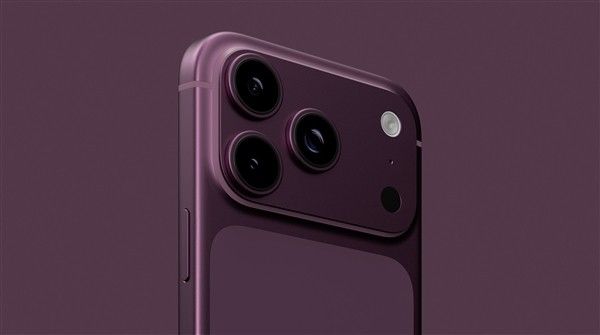
One of the hottest topics in the digital circle recently is the possibility of iPhone price increases.
In mid-August, multiple media outlets reported that Apple plans to raise prices on all current iPhone models, along with the new devices set to launch next month, by a uniform $100. The launch event for the iPhone 18 Pro, iPhone 18 Pro Max, and iPhone Ultra is reportedly scheduled for September 8.
As soon as the news broke, several friends of mine who were planning to upgrade started second-guessing: after the price hike, is the iPhone 18 series still worth buying? To figure this out, we first need to understand where this price increase comes from.
Actually, the signs of a price hike were already there. On June 25, Apple had already raised prices on Mac, iPad, and home devices, with increases generally ranging from 15% to 20%, leaving the iPhone untouched at the time.
Tim Cook was quite candid in an interview, saying that after more than four decades in the supply chain, he had "never seen component prices rise this fast or this much," even describing the current memory market as a "once-in-a-century flood." Even Apple, a company known for its bargaining power, can't withstand this—clearly, something serious is going on.
The core driver behind this round of price increases isn't the processor or the display, but the storage components that usually fly under the radar. The massive buildout of AI data centers has led the three major memory manufacturers to prioritize advanced capacity for the more profitable HBM high-bandwidth memory, squeezing out consumer-grade DRAM and NAND flash used in phones and PCs. How extreme is it?
In the first half of 2026, global DRAM contract prices surged over 90%. The procurement cost of the 12GB memory in the iPhone 18 Pro jumped from $39 in the previous generation to $145, while 256GB of flash storage rose from $13 to $51. Storage components now account for over 30% of the total bill of materials, up from around 10%, pushing the overall BOM cost up by roughly 40%. In plain terms, consumers are paying a "hidden tax" for global AI infrastructure.
And this isn't just Apple's problem. Google's Pixel 11 series, released on August 12, also saw starting prices increase by $100 on multiple models compared to the previous generation. Sony and Microsoft have also adjusted prices on their gaming consoles several times over the past year. The whole industry is going up, and it's hard for anyone to escape.
What I think is truly worth pondering in this rumor isn't the $100 increase itself, but the way it's being done. Following Apple's pattern over the past decade-plus, new models launch while older ones drop in price to make way, maintaining a clear price ladder.
But this rumor suggests both new and existing models get a $100 increase simultaneously, even hitting current-generation devices still on sale—something quite rare in Apple's history. Why do this? My take is that Apple is playing a game of "price restructuring": by raising prices on older models, the price ladder for new devices holds up. Otherwise, with the iPhone 17 sitting there at its current price and the iPhone 18 Pro costing noticeably more, consumers could easily pivot to buying the older model.
Add to that another widely circulated rumor—that the standard iPhone 18 and iPhone 18e might be delayed to spring 2027, with only the Pro series and the foldable iPhone Ultra launching this September—and Apple is essentially pushing budget-conscious users into two choices: either spend more on the Pro or wait another six months.
With this combination of moves, it's hard for the average selling price of new devices not to rise. As for the rumored foldable starting at an average of $2,500, it's more like a "price anchor"—its very existence makes the Pro series seem less expensive by comparison.
Setting price aside, let's talk about the product itself. Based on current supply chain reports, the iPhone 18 Pro series will feature the A20 Pro chip built on TSMC's 2nm process, with a speed boost of about 15% and a 30% improvement in energy efficiency. The smaller Dynamic Island cutout on the display will shrink by about 35%, bringing the screen-to-body ratio to around 94.7%.
On the imaging side, the main camera will introduce a physical variable aperture for the first time, with both the ultrawide and telephoto lenses at 48MP, and the Pro Max offering a 6x optical periscope zoom. Memory is expected to jump to 12GB across the lineup, with the standard version reportedly moving up from 8GB, mainly to pave the way for on-device AI features. The second-generation self-developed C2 baseband will also be included.
Honestly, this is a generation where "substance outweighs style": the external design changes are limited, but the improvements in performance, imaging, and AI capabilities are genuine. If you're expecting a revolutionary overhaul, it might feel a bit underwhelming; but if your current device is three or four years old, these upgrades stacked together will make a noticeable difference in everyday use.
Behind the price hikes, the phone market is shifting
To cushion the impact of price increases, Apple has some buffers, like the monthly payment rental plan in the U.S., which spreads the cost over 36 months. Even with a $200 increase, that's just over $5 more per month, significantly easing the decision pressure.
In my view, over the next two years, "installments" and "leasing" will become increasingly common keywords in high-end phone sales—a tacit strategy among manufacturers to sustain sales at higher price points.
So, is it still worth buying?
My advice depends on your situation. If you're still using an iPhone 13 or older and want to experience the new-generation Siri and on-device AI, the iPhone 18 Pro series is worth considering—these users are the primary upgrade demographic anyway, the hardware leap is substantial, and a $100 increase doesn't change the fact that it's time to upgrade.
If you're holding an iPhone 15 through 17, my suggestion is to stay calm, keep an eye on the standard version expected in spring 2027, or simply hold on for another year—your current device is far from obsolete.
For those on a tighter budget, it's worth paying attention to the current window: if the rumor of "existing models also rising by $100" comes to pass, the current channel prices for the iPhone 17 series could be the relative low point for the next year or two, and there might be another opportunity during the Double 11 shopping festival.
As for heavy imaging users and Pro enthusiasts who upgrade every year, with the variable aperture and 2nm chip on the table, you're not that price-sensitive anyway—just upgrade at your own pace.
Of course, all of this is still based on rumors; Apple hasn't confirmed any pricing details, and the final answer will come at the September launch event. My take: a price increase is highly likely, but the $100 falls on the "moderate" end. What really deserves your consideration isn't that $100, but whether your current phone can comfortably last another year. Once you've figured that out, the decision of whether to buy will naturally become clear.
Related Articles

Huawei phone users have finally got what they've been waiting for! The HarmonyOS trial beta version of NetEase Cloud Music is now available.
about 4 hours ago
The price after discounts is 6544 yuan! Lenovo ThinkPad E14 2026 laptop is now available: Core 5 320 + 512GB
about 5 hours ago