iPhone 18 Pro series adds variable aperture! Filling the last gap in imaging capabilities.
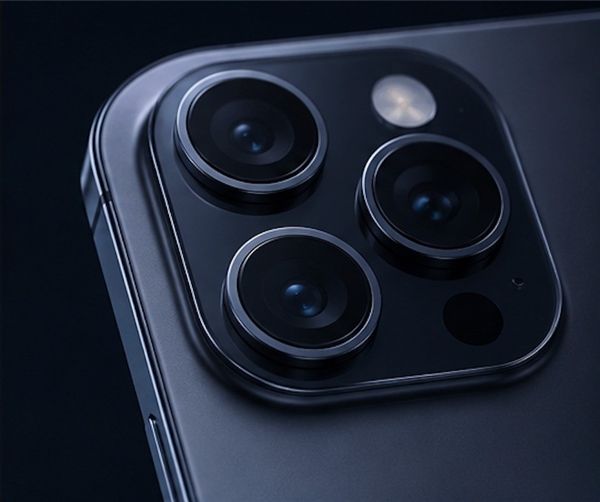
The most anticipated imaging upgrade for the iPhone 18 Pro this year isn't higher pixel counts, but a variable aperture. Multiple rounds of supply chain reports have mentioned that the 48MP main camera on the iPhone 18 Pro and 18 Pro Max may incorporate a mechanical aperture structure, allowing the lens to adjust light intake and depth of field.
For an iPhone that already relies heavily on computational photography, this shift is intriguing: Apple is returning a portion of image control to the optical structure.
Why a fixed aperture hits its limits
The current iPhone main camera uses a fixed aperture. In bright conditions, the system relies primarily on faster shutter speeds and algorithmic exposure control; in low light, it boosts brightness through extended exposure, multi-frame compositing, and night mode algorithms. The advantage of a fixed aperture is its simple structure, high reliability, and ease of keeping the lens thin, but in certain scenarios, it lacks the direct light-control capability of a traditional camera.
Video is especially where this shows. In bright environments, to avoid overexposure, the phone raises shutter speed, which can make motion look overly "harsh" with reduced natural motion blur. A variable aperture can first narrow the lens opening to limit light intake without relying on extremely high shutter speeds, resulting in more natural motion rendering in video.
Depth-of-field control gets closer to true optical effects
Another role of a variable aperture is adjusting depth of field. A wider aperture more easily achieves shallow depth of field, naturally separating subject from background; stopping down brings more of the scene into focus.
The iPhone's Portrait mode has historically relied on binocular depth, LiDAR, and algorithmic bokeh simulation. If the main camera itself can adjust aperture, some depth effects could come directly from the lens rather than relying entirely on post-processing computation.
Of course, smartphone sensor size and lens focal length remain limited, so a variable aperture won't instantly give the iPhone full-frame camera depth-of-field capabilities. Its more practical value lies in providing the algorithm with richer raw material: the system can select more appropriate aperture, shutter, and ISO combinations under different lighting, reducing highlight clipping while offering new headroom for edge sharpness and low-light performance.
A fixed aperture's limitations, revisited
It's not yet confirmed whether users will be able to select aperture values directly in the camera interface. If Apple only implements automatic adjustment, most users will barely notice the mechanical structure exists—they'll just see more stable video exposure and more natural portrait bokeh. If it's added to a pro mode, photography enthusiasts could proactively choose depth-of-field and shutter combinations based on the scene, bringing iPhone shooting controls closer to professional cameras.
A variable aperture isn't new to the smartphone industry. Early Samsung flagships and some recent Chinese imaging flagships have attempted similar structures, with the challenge always being balancing limited body thickness, mechanical reliability, and real-world benefits. If Apple chooses to adopt it now, it suggests supply chain maturity and its own imaging algorithms have found a more suitable integration approach.
The most credible direction at this stage is that the iPhone 18 Pro maintains its 48MP main camera spec, focusing upgrades on the lens and control methods. For flagship phones already in the high-megapixel era, this kind of change is more worth watching than simply continuing to bump pixel counts.
Imaging flagships have entered the "post-high-megapixel" phase. The tension between sensor size, lens thickness, and body dimensions is increasingly apparent—simply adding pixels doesn't solve everything.
If Apple turns the variable aperture into a stable, automatic, and sufficiently reliable system, its value will show across everyday scenarios: backlit video less prone to blown highlights, more natural edge bokeh on subjects, and more relaxed shutter choices in bright light. These changes are more visible to users than spec numbers.
Adding a mechanical structure to the lens also brings new engineering pressure. Aperture blades need to switch in fractions of a second while enduring drops, temperature swings, dust, and long-term frequent actuation. The phone's lens module space is far smaller than a camera lens, and any added structure encroaches on OIS, autofocus, and sensor positioning.
If Apple mass-produces this feature, reliability testing and automatic control strategies will determine whether it holds up over long-term use—not just a one-time showcase at launch.
Related Articles

Huawei phone users have finally got what they've been waiting for! The HarmonyOS trial beta version of NetEase Cloud Music is now available.
about 2 hours ago

The price after discounts is 6544 yuan! Lenovo ThinkPad E14 2026 laptop is now available: Core 5 320 + 512GB
about 4 hours ago