In 2026, domestic smartphones will see a general price increase of 200-500 yuan, as the memory and flash storage landscape undergoes changes.
Amid the supply chain backdrop of continuously rising storage chip costs and structural tightness in upstream capacity, the smartphone market is exhibiting a dual characteristic of across-the-board price increases and structural premiumization.
Sigmaintell Consulting believes that this round of industry-wide average price increases is not driven by market demand, but rather the result of domestic brands actively implementing structural price adjustments resonating with product value upgrades. It also represents the landing of the industry's core strategy over the past two years to reduce involution and improve profitability, delivered through two core pathways:
1. High-end flagships continue to raise the pricing ceiling. Leading brands are intensifying investment in proprietary technology, imaging systems, and foldable screen iterations to complete the value reconstruction of premium products. Multiple flagships from 2025-2026 have already achieved generational premium upgrades. Leveraging continuously enhanced product competitiveness, domestic brands have secured their position in the $700+ high-end market, consolidating their premium foundation.
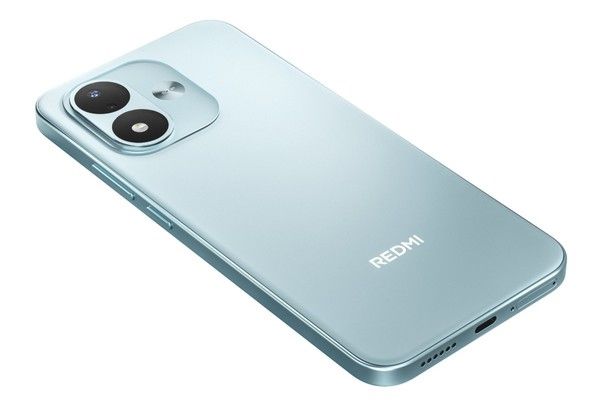
2. The mid-range mainstream tier is undergoing comprehensive and systematic price hikes, becoming the core driver of average price increases. Unlike previous rounds where only new models saw price increases, this round features a broad price hike across all existing models. Mid-range volume models from Xiaomi REDMI, OPPO K series, and vivo iQOO have undergone multiple batch price adjustments in 2026, with per-model increases generally concentrated in the 200-500 yuan range.
Sigmaintell Consulting assesses that the combination of rising upstream storage costs and the terminal price hike cycle has led to significantly divergent adaptation strategies for DRAM and NAND flash at the device level, with clear differences in their adjustment flexibility and constraint logic.
1. The DRAM market shows a notable trend toward specification consolidation, with inefficient legacy tiers being continuously phased out. 3GB RAM can no longer accommodate the background residency requirements of new system versions, while 6GB struggles to handle on-device AI workloads—both specification tiers are seeing shrinking share. Meanwhile, 4GB and 8GB, leveraging their balanced advantages in cost and experience, have secured their positions as the mainstream standard for entry-level and mid-range devices respectively. During the tier structure transition, mid-range devices reducing 12GB configurations have created share pressure, but the continued standard adoption of 12GB in $700+ flagships, combined with incremental demand from the expanding premium market, has offset this pressure—keeping overall 12GB share stable.
2. NAND faces strong experiential threshold constraints, limiting brands' flexibility in specification adjustments. The storage tier structure shows divergent characteristics: the 128GB tier continues to hold mainstream market share; simultaneously, 256GB models are accelerating penetration, becoming the fastest-growing storage tier. Although upstream NAND price fluctuations have prompted some mid-range models to lower their entry-level storage specifications, the long-term trend toward larger capacity upgrades continues.
Sigmaintell Consulting forecasts: the effects of industry product structure adjustments will gradually unfold and persist through 2027. Over the medium to long term, three major trends—price increases across all device price segments, DRAM configuration concentration toward mainstream tiers, and structural two-way adjustment in NAND specifications (trial low-configurations in select segments alongside continued large-capacity penetration)—will intertwine to continuously reshape the smartphone product configuration system and price center over the next two years.
Related Articles

Huawei phone users have finally got what they've been waiting for! The HarmonyOS trial beta version of NetEase Cloud Music is now available.
about 4 hours ago
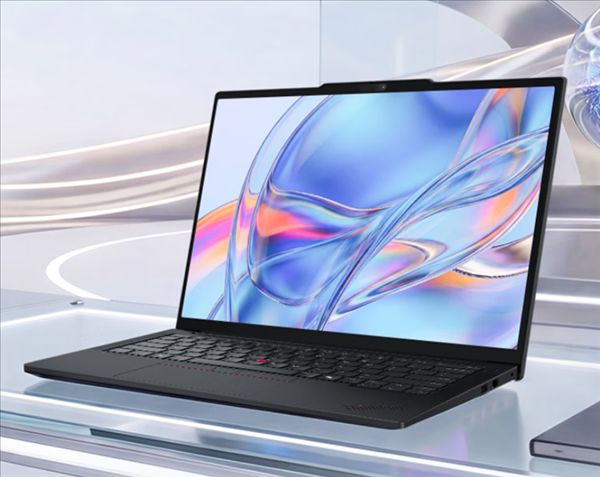
The price after discounts is 6544 yuan! Lenovo ThinkPad E14 2026 laptop is now available: Core 5 320 + 512GB
about 5 hours ago