Chevrolet exits Chinese market: what happens to after-sales service?
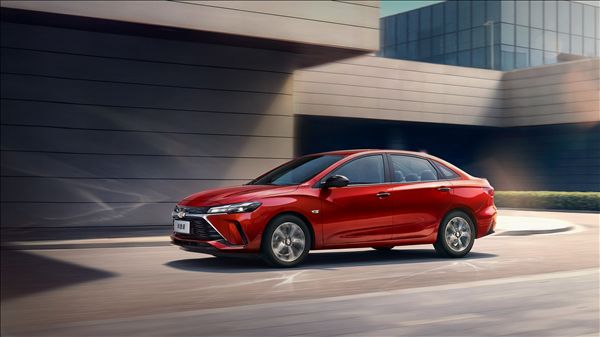
According to media reports, there are claims that the Chevrolet brand will cease its sales operations in China and exit the Chinese market.
In response, General Motors stated that SAIC-GM will continue to produce Chevrolet models domestically and actively explore overseas market opportunities beyond the United States.This means Chevrolet's business in China will gradually shift toward an export-oriented approach, selling to other global markets, while sales activities in the domestic Chinese market will be gradually phased out.
Regarding after-sales concerns widely shared by existing Chevrolet owners, General Motors said it will continue to fulfill its commitments, providing comprehensive after-sales service guarantees for the more than 7 million Chinese car owners. However, GM did not provide further details on specific after-sales measures, and the level of implementation remains to be seen.
Chevrolet is GM's largest automotive brand and was officially introduced to the Chinese market by SAIC-GM in 2005. Over the decade-plus following its entry into China, Chevrolet launched best-selling models such as the Cruze and Malibu. At the peak of its product matrix development, the brand covered multiple market segments ranging from compact cars to mid-to-large SUVs, once holding a significant position in the domestic market.
However, with the rapid development of China's new energy vehicle industry and the strong rise of domestic brands, Chevrolet has faced severe transformation challenges, and its market position has gradually become marginalized.
Industry insiders point out that over the past few years, joint venture auto brands have experienced unprecedented challenges in the Chinese market. The rise of the new energy wave has completely disrupted the market landscape formed during the fuel vehicle era. Faced with rapidly changing market demand and consumer preferences, some joint venture brands have responded slowly, clearly lagging in their pace of electrification and intelligent transformation.
This "half-beat slow" strategy gave domestic brands a window of opportunity to seize the initiative. Chinese local automakers have not only rapidly iterated on core three-electric technologies such as batteries, motors, and electronic controls, but have also taken the lead in intelligent cockpits and autonomous driving experiences, precisely matching the preferences of a new generation of consumers. With strong product competitiveness and precise market positioning, domestic brands have achieved leapfrog growth in market share.
Today, domestic brands have transformed from technology followers into industry leaders. If joint venture brands want to reclaim lost ground, they must make fundamental changes in product definition and response speed in order to regain the initiative in the new competitive landscape.
Related Articles
Starting at 1.388 million yuan, Zunjie S800 Grand Design Collection officially delivered
about 3 hours ago
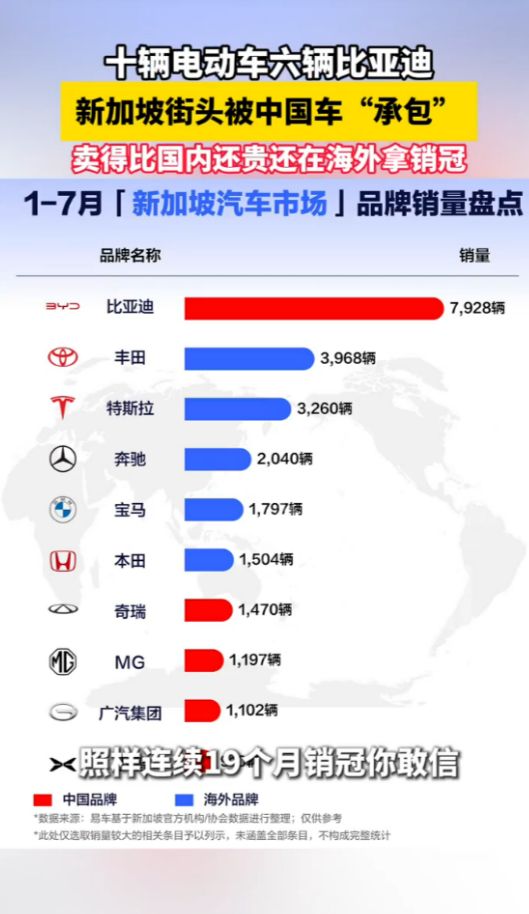
6 out of every 10 electric vehicles are BYD! Chinese cars dominate overseas markets: foreigners queue up to take delivery.
2 days ago
BYD released its 2026 semi-annual financial report: exports surged 67.9% to nearly 790,000 vehicles!
3 days ago