
Car owners must not be treated as test dummies! Multiple departments crack down hard to halt hastily-produced vehicles.
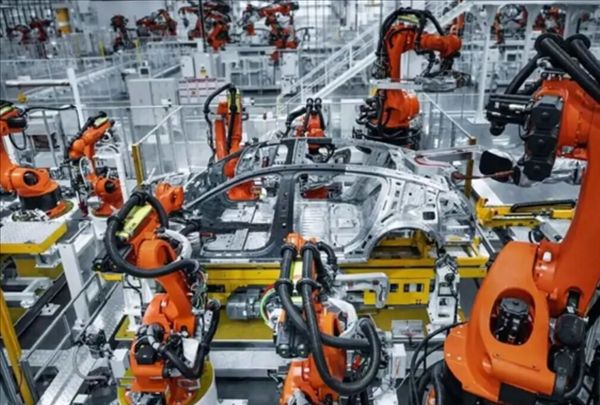
The competition in the new energy vehicle industry is intensifying, with some automakers prioritizing speed to market by drastically shortening R&D and validation processes, pushing inadequately tested vehicles to consumers and turning car owners into unpaid test drivers. In response to this industry-wide issue, standard-setting bodies and industry regulators have rolled out a series of control measures to put the brakes on these "rushed vehicles."
The Ministry of Industry and Information Technology, as the authority overseeing motor vehicle production access, has strengthened entry requirements at the source. Through the updated enterprise access review standards, it has established mandatory conditions for new vehicle reliability testing, making durability testing a prerequisite for automakers applying to launch new products.
At the same time, it has launched special inspections on production consistency, conducting on-site spot checks of core components such as complete vehicles and power batteries at manufacturing plants to identify safety risks arising from aggressive innovation. Companies found to have shortened testing procedures or failed to meet production control standards will face legal action, restrictions on new product applications, and heightened accountability for their responsibilities.
The National Technical Committee of Auto Standardization is responsible for revising technical rules and filling gaps in testing standards. It has already published a draft for public comment, proposing to increase the reliability testing mileage for new energy vehicles to 30,000 kilometers, bringing it in line with fuel vehicle standards.
For pure electric models, fast-charging conditions must account for over 90% of the testing mileage, replacing the previous more lenient testing standards for new energy vehicles. This closes the loophole that allowed reduced road testing at the national standard level and clarifies the complete operating condition requirements for type approval testing.
The State Administration for Market Regulation oversees defective product supervision. On one hand, it is promoting the implementation of mandatory national safety standards for electric vehicles, upgrading the thermal runaway requirement for power batteries to a hard criterion of no fire and no explosion.
On the other hand, through the defect recall system, it collects consumer complaints and fault clues, conducts defect investigations, and urges automakers to recall vehicles with batch quality issues. Additionally, it uses the 12315 channel to receive consumer quality complaints, safeguarding the legitimate rights of vehicle buyers.
Excessively fast vehicle development has also created multiple hidden risks. In the first half of 2026, there were 50 recall announcements, with recalls of new energy vehicles accounting for a continuously rising share. Frequent faults include software vulnerabilities, battery swelling, and breakdowns in high temperatures. Industry data shows that automakers' overall profits fell 20% year-on-year in the first half of the year, with the industry profit margin at just 3.8%, trapping the sector in a vicious cycle of "racing for speed, cutting quality, and losing more money with every sale."
Industry experts say that unifying the 30,000-kilometer testing standard can fully expose long-term degradation risks in the three-electric system and chassis, forcing companies to return to genuine forward engineering. Raising industry barriers is not about limiting innovation speed, but about eliminating speculative fast-track companies and leaving room for brands that invest deeply in technology to grow.
Related Articles

Starting at 1.388 million yuan, Zunjie S800 Grand Design Collection officially delivered
about 3 hours ago
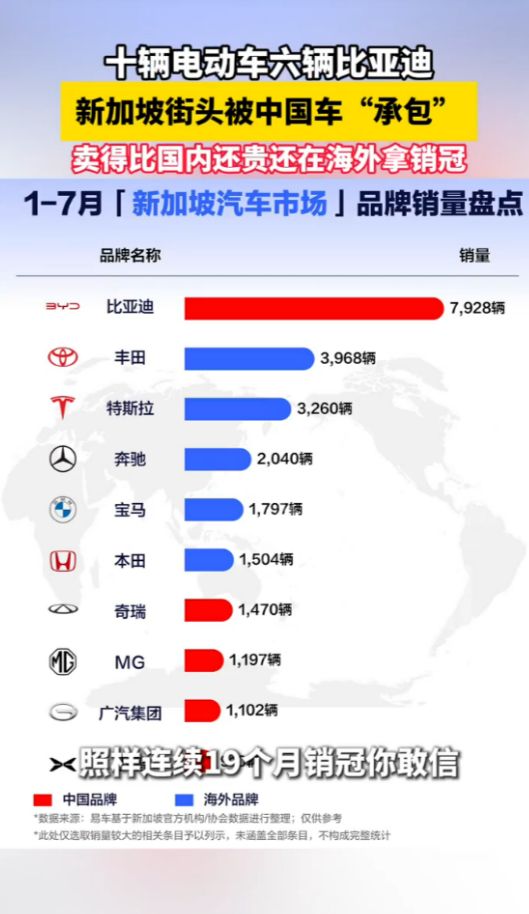
6 out of every 10 electric vehicles are BYD! Chinese cars dominate overseas markets: foreigners queue up to take delivery.
2 days ago
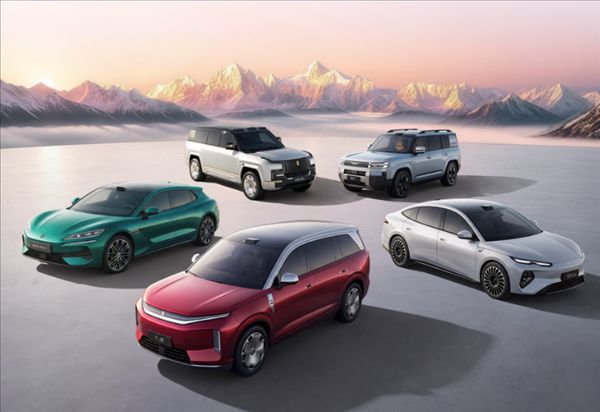
BYD released its 2026 semi-annual financial report: exports surged 67.9% to nearly 790,000 vehicles!
3 days ago