Xiaomi Pad 8S Pro configuration emerges: also to be equipped with self-developed 3nm Xuanjie O3 processor!
Besides the previously leaked flagship foldable MIX Fold 5, Xiaomi also has several upcoming consumer electronics devices that are expected to feature its latest self-developed 3nm Xuanjie O3 processor, including the Xiaomi Pad 8S Pro.
Recently, upstream leaks in the digital circle indicate that the hardware configuration of the Xiaomi Pad 8S Pro has been basically finalized. It features a 12.5-inch 3.2K resolution LCD display panel on the front, and a 32-megapixel high-definition front-facing camera, fully capable of meeting users' daily needs for video calls and online meetings.
The rear camera module configuration of this tablet has also been leaked. The back features a 50-megapixel high-definition main camera paired with a 2-megapixel auxiliary camera, sufficient for users to casually shoot documents or capture life moments on the go.
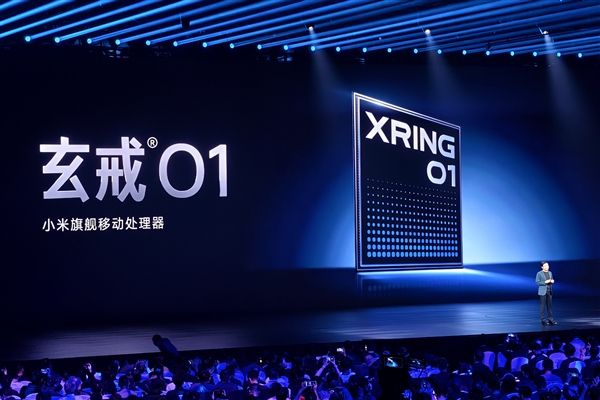
“Xuanjie O1 is a 3nm flagship SoC. Globally, only four companies can make flagship SoCs, and Xiaomi is the only one in mainland China.” Lei Jun once said.
In terms of core performance, the Xiaomi Pad 8S Pro directly integrates the self-developed Xuanjie O3 processor. The device is equipped with a massive 12000mAh battery and supports up to 120W wired super fast charging. The overall battery life and charging speed are among the top tier in its class.
According to leaked details from the upstream semiconductor supply chain, this new self-developed Xuanjie O3 chip from Xiaomi is built on TSMC's most advanced 3nm process. Its core performance has significantly improved compared to the previous generation Xuanjie products, while power consumption under high loads has been markedly reduced. Overall, the maturity of this chip far exceeds the first-generation self-developed chip, and its real-world daily usage experience is worth anticipating.
Additionally, industry insiders have revealed that the Xuanjie O3 is just one of several self-developed chips Xiaomi plans to launch this year. The related R&D team is also developing dedicated automotive chips for its car business. Once optimized, these chips will gradually be implemented in subsequent iterations of Xiaomi cars, further integrating the self-developed computing layout across Xiaomi's entire ecosystem.

Related Articles

Huawei phone users have finally got what they've been waiting for! The HarmonyOS trial beta version of NetEase Cloud Music is now available.
about 4 hours ago
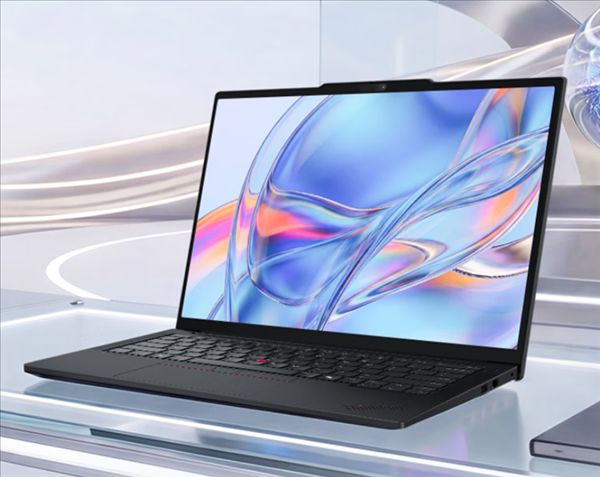
The price after discounts is 6544 yuan! Lenovo ThinkPad E14 2026 laptop is now available: Core 5 320 + 512GB
about 5 hours ago