Behind the Frequent High-Temperature Failures of 4 Million Tesla FSD Upgrades: Fundamental Differences in Intelligent Driving Regulation Between China and the US
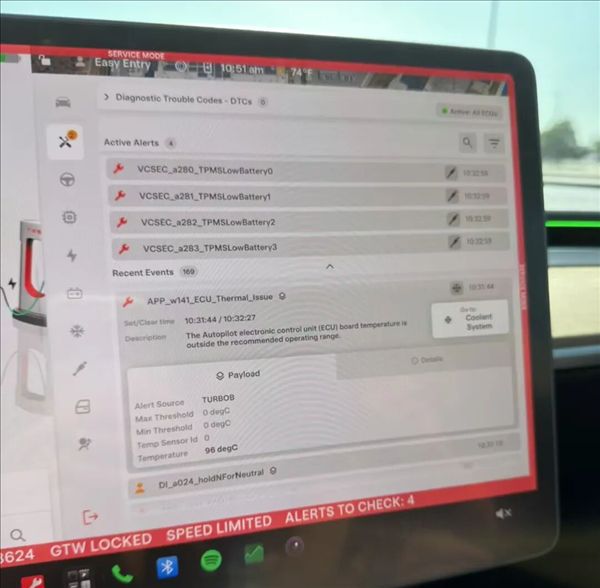
Recently, overseas media reported that after Tesla pushed the FSD V14 Lite update to 4 million vehicles equipped with the older HW3 intelligent driving hardware, large-scale safety issues have emerged.
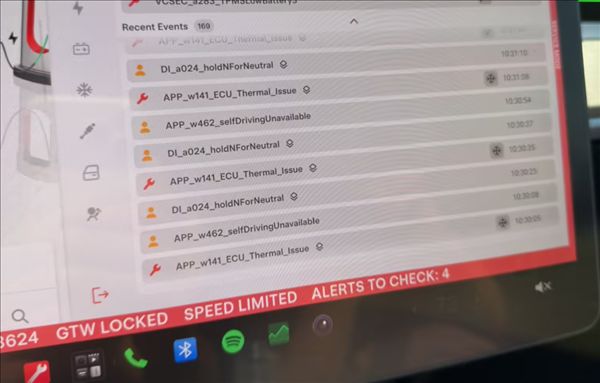
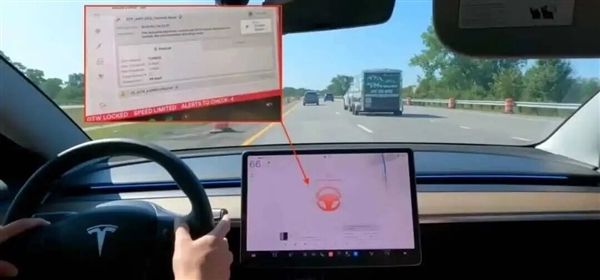
Many car owners reported that during use, the onboard computing motherboard temperature soared to 96°C, frequently forcing assisted driving to shut down. In some vehicles, the motherboard was directly burned out, and owners beyond warranty had to pay out of pocket for replacements; meanwhile, the new version cannot recognize pedestrians or obstacles when reversing, causing multiple collision hazards.
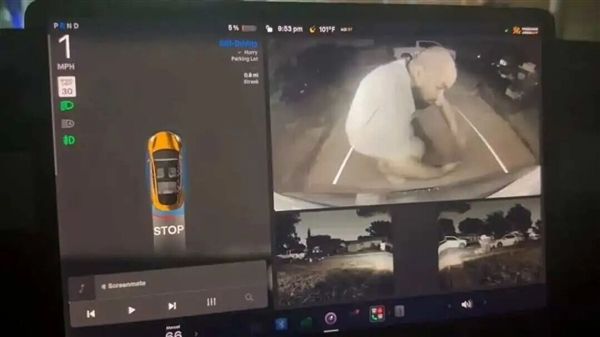
At the same time, China issued mandatory national standards for combined driving assistance and high-level autonomous driving, respectively: the "Safety Requirements for Intelligent Connected Vehicle Combined Driving Assistance Systems" (GB47955—2026) and the "Safety Requirements for Intelligent Connected Vehicle Autonomous Driving Systems" (GB44721—2026). These documents set full-process mandatory specifications for OTA upgrades of intelligent connected vehicles.
"China Automotive News" analysis believes that the safety issues exposed by this Tesla OTA upgrade profoundly reflect the significant differences between the Chinese and American intelligent driving regulatory systems.
China: Pre-emptive mandatory standards, controlling risks from the source
China issued two mandatory national standards for intelligent driving in June and July this year, to take effect in 2027, imposing rigid full-process constraints on OTA upgrades and following the pre-emptive regulatory route of "review first, then push."
All OTA updates involving intelligent driving algorithms and perception systems must be filed with regulatory authorities in advance and complete a full set of tests including extreme heat dissipation and all-scenario perception. Pushing high-load models to older hardware with insufficient computing power or cooling is prohibited.
The standards clarify that vehicles must not directly cut off intelligent driving functions due to high temperatures, and upgrades are not allowed to remove safety functions such as pedestrian recognition. At the same time, misleading publicity such as "FSD" and "fully automatic" is strictly prohibited, and automakers must fully inform users of update risks.
Major version updates must complete three-tier testing — simulation, proving ground, and road — and retain records. After OTA pushes, automakers must monitor batch failures in real time. Once common problems emerge, they must quickly push patches and initiate recalls, intercepting safety risks before the software is installed in vehicles.
United States: Lenient post-hoc regulation, accountability only after incidents
The United States currently has no unified, mandatory pre-filing system for intelligent driving OTA updates, and regulation is mainly ex-post. Tesla classifies FSD as L2 test software to avoid complete pre-emptive safety verification and can autonomously push major version updates to millions of older vehicles.
To compress R&D costs, Tesla did not develop lightweight algorithms for the older HW3 hardware and directly pushed the high-load V14 model, which triggered the batch of high-temperature failures.
Only after a large number of car owner complaints and safety incidents spread widely does the regulatory agency NHTSA step in to investigate, lacking a pre-emptive risk interception stage. In addition, the name "FSD" can easily mislead owners, but such marketing practices lack hard regulatory constraints, ultimately leaving car owners to bear the cost of technological trial and error.
Related Articles

Huawei phone users have finally got what they've been waiting for! The HarmonyOS trial beta version of NetEase Cloud Music is now available.
about 4 hours ago

The price after discounts is 6544 yuan! Lenovo ThinkPad E14 2026 laptop is now available: Core 5 320 + 512GB
about 5 hours ago