The annual tech extravaganza! Here's everything to watch for at Apple's fall event.
Apple's invitations have been sent out. At 1 AM Beijing time, the 2026 fall new product launch will be held at the Steve Jobs Theater in Apple Park, themed "A New Chapter, Shine Bright."
The highlights of this launch go beyond the products themselves—it marks the first major hardware event led by new CEO John Ternus after he took over from Tim Cook. The outside world will be scrutinizing not just the new devices, but also the new leader's product philosophy.
Based on current supply chain and media reports, the September 10 event won't feature only the iPhone 18 Pro. The foldable iPhone, Apple Watch Series 12, new AirPods, and even HomePod products are all on the candidate list. And the nearly two-decade tradition of a "full lineup in September" is very likely to be formally rewritten this year.
**iPhone 18 Pro: Restrained Exterior, Generational Interior Upgrade**
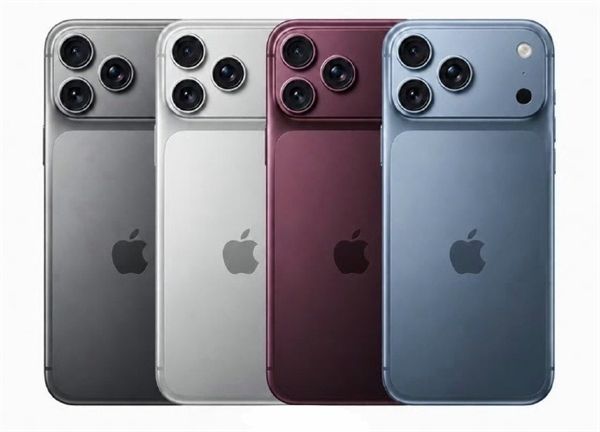
Based on current information, the iPhone 18 Pro and iPhone 18 Pro Max will continue to offer 6.3-inch and 6.9-inch sizes, with the overall design language carrying over from the previous generation. The more noticeable exterior changes include a roughly 35% reduction in the Dynamic Island area and new color options like deep cherry. The long-rumored under-display Face ID is now leaning toward not arriving on this generation.
The real upgrades are concentrated inside the device. The A20 Pro is expected to be Apple's first phone chip built on TSMC's 2nm process, introducing WMCM wafer-level multi-chip packaging that integrates memory, processor, and neural engine on the same wafer level.
Supply chain evaluation data suggests that compared to the A19 Pro, performance improves by about 15% to 18%, with energy efficiency gains potentially nearing 30%. For users, these improvements may not show up in benchmark scores but will translate more into heat management under heavy loads and faster on-device AI task response times.
On the imaging front, multiple sources point to a variable aperture main camera—physically adjusting light intake and depth of field through mechanical structure rather than relying on algorithm-simulated bokeh. Some reports suggest this feature may be exclusive to the Pro Max. Combined with the further rollout of Apple's self-developed C2 modem, the internal generational leap in this Pro series is far more substantial than the exterior suggests.
**Foldable iPhone: A Ticket Arriving Seven Years Late**
If there's one product that will dominate conversation, it's likely the foldable iPhone that's been rumored for nearly a decade, with speculation pointing to names like iPhone Ultra or iPhone Fold.
The most consistent reports describe a book-style horizontal fold, with an external screen around 5.3 to 5.5 inches and an internal display around 7.6 to 7.8 inches when unfolded, with an aspect ratio close to 4:3—making the unfolded experience more like a small iPad. To keep the unfolded thickness around 4.5mm, Apple has reportedly made several trade-offs—using side-mounted Touch ID instead of Face ID, and equipping the rear with only a 48MP main camera and an ultra-wide lens.
On pricing, analysts generally expect a range of $2,000 to $2,500, with the China domestic price potentially approaching or even exceeding ¥18,000, setting a new record for iPhone pricing.
One signal worth noting: TF International Securities analyst Ming-Chi Kuo stated in a research note that Apple has recently significantly raised its shipment expectations for the foldable iPhone—from 6 to 8 million units in 2026 up to 8 to 10 million, and targeting 20 to 25 million units in 2027. These numbers suggest Apple's internal positioning for the foldable has shifted from "testing the waters" to "a second growth curve."
Of course, it also faces very real questions—crease control, hinge durability, and software adaptation. Arriving seven years late means the Android camp has already stumbled through the pitfalls, and Apple needs to prove that the maturity gained from being late justifies the price premium.
**Watch, Earbuds, and Smart Home: AI Expanding to Peripheral Devices**
Beyond the phone, the Apple Watch Series 12 and Apple Watch Ultra 4 are expected to appear on stage together, with upgrades focused on new-generation chips and health algorithms, with major exterior redesigns unlikely.
The AirPods rumors are more imaginative: some analysts suggest Apple may embed tiny infrared cameras in the earbuds—not for photography, but to let Apple Intelligence sense the wearer's surroundings, combined with gesture controls and the new-generation H3 chip, transforming the earbuds from "listening devices" into "sensing devices."
Additionally, the HomePod mini 2 and home hub-type products are also on the candidate list. The direction here is quite clear: Apple's AI narrative is expanding from the phone as a single point to an entire ecosystem encompassing wearables and smart home devices.
**Splitting the Launch into Two Seasons: Apple's Financial Calculation**
The deeper change in this year's launch lies beyond the product list. The standard iPhone 18, iPhone 18e, and iPhone Air 2 are reportedly all delayed to spring 2027, with Apple splitting the same generation of iPhones into "premium in fall, mainstream in spring" across two launch events—a rhythm adjustment unseen in over a decade.
Behind this is a straightforward financial calculation. TrendForce estimates that due to global AI data center demand squeezing supply, mobile DRAM and NAND prices continue to climb, with memory costs potentially accounting for around 34% of the iPhone 18 Pro's component costs, compared to just about 10% a year ago.
Combined with rising manufacturing costs from the 2nm chip and variable aperture, supply chain sources say the Pro series starting price could increase by $100 to $300. In a year of comprehensive cost pressure, prioritizing limited 2nm capacity and components for the higher-margin Pro series and foldable, using premium products to protect profit margins while deferring volume models until cost pressures ease, is a highly pragmatic financial choice.
The takeaway for the industry: memory price increases are already transmitting to terminal pricing. If Apple is feeling the squeeze, Android flagships in the second half of the year will likely face equally tough pricing decisions.
**Conclusion**
Overall, the significance of the September 10 launch extends beyond the hardware itself. A new CEO's debut, product lineup expansion, and launch rhythm restructuring—three factors combined make this "tech spring festival gala" feel more like Apple's opening statement for the next decade. Of course, all of this information is still at the rumor stage, and the final answer will have to wait for Ternus to reveal it personally.
Related Articles

Huawei phone users have finally got what they've been waiting for! The HarmonyOS trial beta version of NetEase Cloud Music is now available.
about 2 hours ago
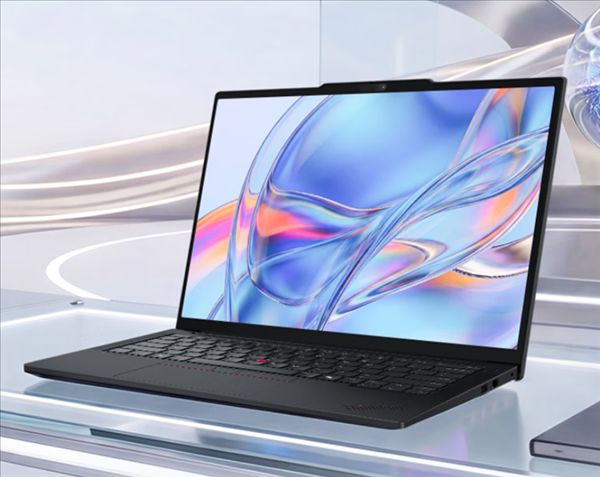
The price after discounts is 6544 yuan! Lenovo ThinkPad E14 2026 laptop is now available: Core 5 320 + 512GB
about 4 hours ago