Ramping up efforts in the Chinese market! Apple has trained a "China-customized" large model, launching a dual-track AI strategy.
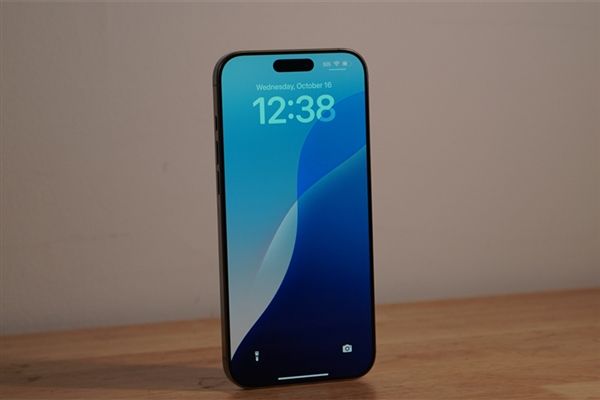
Media recently cited sources saying that Apple has trained a large language model specifically for the Chinese market. This move marks a significant shift in Apple's strategy in China—previously, its AI features in the country mainly relied on third-party models.
According to sources, the model was developed in collaboration with Alibaba Group, which provided training support.
In the Chinese market, since US models like OpenAI's ChatGPT and Anthropic's Claude are unavailable, Apple had previously leaned on domestic Chinese partners' models to bring generative AI capabilities to iPhones and other devices sold in China; in other global markets, Apple combined these US models with its own technology.
Having a self-developed, China-specific custom model will give Apple a stronger competitive edge in the fiercely contested Chinese market.
Industry insiders point out that the Chinese market is crucial to Apple's business performance. It is widely believed that the absence of AI features on iPhones in China has been a key factor dragging down sales, as consumers increasingly favor domestic phones with built-in AI assistants.
Currently, local competitors like Huawei have already launched AI-equipped phones and captured a significant share of the market.
Dual-Track Strategy
According to sources, Apple's AI tool suite, Apple Intelligence, is expected to officially launch in China within the coming months, following subsequent iOS updates.
If this China-specific self-developed large model is eventually rolled out alongside Apple Intelligence, Apple could become the first foreign company approved by Chinese regulators to offer its own self-developed AI model in China.
There is currently no definitive information on whether this self-developed China-exclusive large model will be integrated into the Apple Intelligence system.
Industry insiders note that Apple has formed a unique "dual-track" strategy, which helps it navigate stringent regulatory hurdles—barriers that have previously prevented many US tech companies from entering the Chinese market.
The dual-track approach means developing a China-specific large model in-house while also integrating domestic Chinese large models to meet regulatory requirements for deployment.
Apple Intelligence's rollout in China went through a lengthy regulatory process and completed its filing procedures last month. The Cyberspace Administration of China completed the filing for Apple's generative AI service on July 8 and publicly announced it on July 15, clearing the policy obstacles for Apple Intelligence's debut on iPhones in China.
According to media reports from July, under the filing arrangement, the China version of Apple Intelligence will integrate Alibaba's "Tongyi Qianwen" large model on compatible iPhones, iPads, Macs, and Vision Pro devices; the service had also previously planned to incorporate Baidu's related technology.
Last week, Apple published a Chinese-language documentation page introducing how eligible Mac users in mainland China can connect Tongyi Qianwen to the Siri voice assistant and writing tools features.
That solution was Mac-exclusive and was expected to help Apple compete in China's AI PC market. However, Apple subsequently removed the documentation without explanation.
Related Articles

Huawei phone users have finally got what they've been waiting for! The HarmonyOS trial beta version of NetEase Cloud Music is now available.
about 4 hours ago
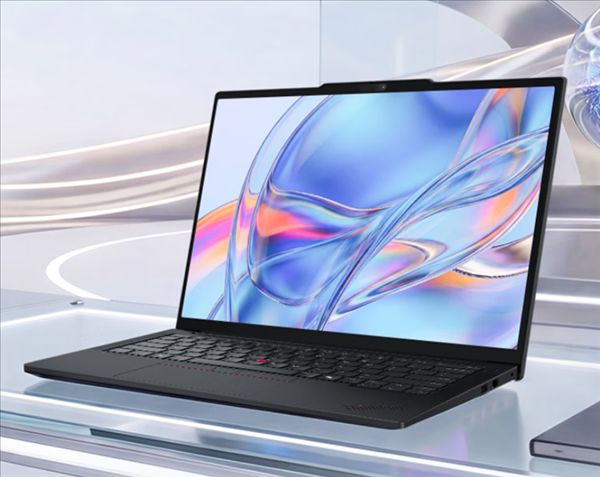
The price after discounts is 6544 yuan! Lenovo ThinkPad E14 2026 laptop is now available: Core 5 320 + 512GB
about 5 hours ago