NVIDIA, Microsoft, and others jointly support open source AI! Anthropic retorts: If you have the guts, open source CUDA and Windows too.
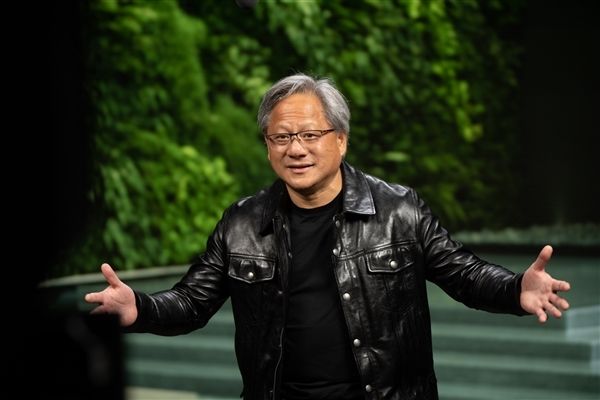
Quick Tech News, July 27 - Jensen Huang recently posted his first message on the X platform, accompanied by an open letter jointly signed by 25 tech companies including Nvidia, Microsoft, OpenAI, Meta, and Google, opposing premature and excessive regulatory restrictions on open-source models imposed by the government.
The statement emphasizes that open-weight models are a crucial cornerstone for promoting the popularization of AI and fostering fair competition in the market. In his post, Huang stated that the world needs both cutting-edge closed-source models and open-source models simultaneously. Google CEO Sundar Pichai and Microsoft CEO Satya Nadella subsequently voiced their support as well.
However, Anthropic, which focuses on closed-source models, refused to sign the joint statement. One of its engineers mocked the move on the X platform, saying they can't wait to see CUDA and Windows also become open-source, along with all core software of the major tech giants being fully opened.
Anthropic's engineer's counterattack directly targeted the core interests of the tech giants. From their perspective, Nvidia's embrace of open source is essentially a commercial calculation to sell more GPUs—the more prosperous the open-source model ecosystem, the greater the demand for GPU hardware. Meanwhile, Microsoft supports open-source AI but never opens up Windows and Office, exposing its double standards.
It should be noted that Anthropic's engineer's satire involves a logical fallacy. Supporting open-source AI models does not necessarily require opening up one's own core hardware ecosystem or operating system.
CUDA and Windows are commercial core assets of Nvidia and Microsoft, respectively, and are separate from the issue of whether AI models are open or closed. Conflating the two is logically untenable.
Furthermore, the defense of distillation in the statement also reflects an underlying battle for interests. The open-source faction relies on distillation to lower R&D barriers, while the closed-source faction views distillation as freeloading on intellectual property, putting the two sides in stark opposition.
Behind this dispute over the open-source vs. closed-source approach lies a commercial game over who will control the next generation of computing infrastructure. There is no pure idealism here—only the maximization of commercial interests.
As AI large models move toward commoditization, tech giants are naturally happy to open-source the model layers to drive hardware sales, but they will never let go of their exclusive core technologies. This debate over the future of AI is bound to continue for a long time.
Related Articles

Huawei phone users have finally got what they've been waiting for! The HarmonyOS trial beta version of NetEase Cloud Music is now available.
about 4 hours ago
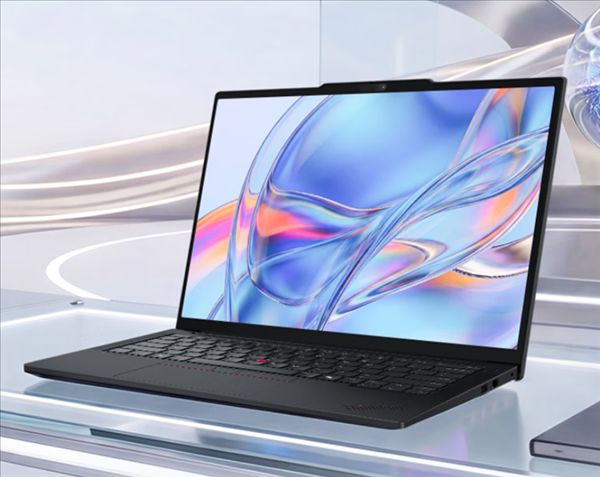
The price after discounts is 6544 yuan! Lenovo ThinkPad E14 2026 laptop is now available: Core 5 320 + 512GB
about 5 hours ago