Global smartphone average selling price rises 17% in Q2 2026: Phones are getting more and more expensive
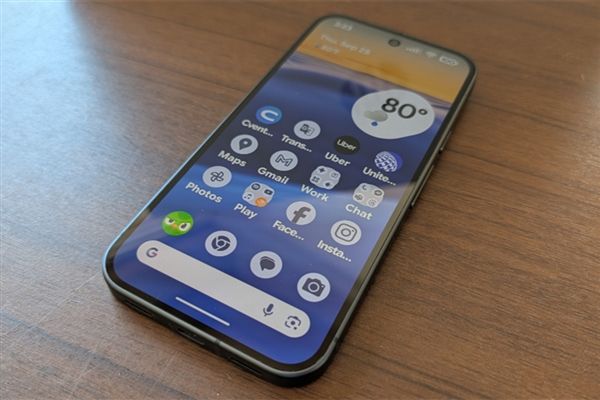
According to market monitoring data released by Counterpoint Research, global smartphone industry revenue in Q2 2026 grew 7% year-over-year to a record $109 billion. Despite a decline in global smartphone shipments over the same period, revenue still set a second-quarter record high, primarily due to a significant rise in the global average selling price of smartphones.
Data shows that the global average selling price of smartphones in Q2 2026 rose 17% year-over-year to $400, the highest level ever recorded for a second quarter. This means the bar for consumers to buy an ordinary smartphone is rising noticeably, and the cost of purchasing a phone is getting higher.
Analysts noted that the sharp rise in average selling prices was mainly driven by persistently climbing memory prices, with manufacturers passing this cost burden on to end consumers.
The fundamental driver of this round of price increases is the explosive expansion of the AI industry. AI data centers have created a massive siphoning effect on high-bandwidth memory and premium flash storage. The three major memory giants — Samsung, SK Hynix, and Micron — have all shifted production capacity toward the more profitable AI server segment, keeping consumer-grade memory supply persistently tight.
TrendForce data shows that global DRAM contract prices rose 90% to 95% quarter-over-quarter in Q1 2026, while NAND contract prices also surged 70% to 75% — an extremely aggressive upward trend.
Memory chips' share of total smartphone manufacturing cost has jumped from the previous 10% to 15% to 20% to 30%, with cost pressure quickly transmitting to the end market. In the first half of this year, nearly all mainstream brands launched price hikes. Entry-level phones saw factory prices rise 70% year-over-year, while mid-to-high-end models saw factory prices increase by 50% — a price increase wave that is rare in recent years in both coverage and magnitude.
Analysts said the low-cost inventory components purchased earlier by manufacturers are gradually being used up, and cost pressure will be released in a concentrated manner in the second half of the year. As a result, the new wave of iterative flagship phones launching starting in September will see comprehensive price increases, and the supply shortage of memory chips is expected to last until 2027, making it difficult for the phone price increase wave to subside in the short term.
For consumers, the window for buying phones at low prices is gradually narrowing.
Related Articles

Huawei phone users have finally got what they've been waiting for! The HarmonyOS trial beta version of NetEase Cloud Music is now available.
about 4 hours ago
The price after discounts is 6544 yuan! Lenovo ThinkPad E14 2026 laptop is now available: Core 5 320 + 512GB
about 5 hours ago